From a plant's perspective, light is not merely a preference; it is the fundamental currency of life. Through the process of photosynthesis, plants convert light energy, water, and carbon dioxide into chemical energy (sugars) that fuels all growth, maintenance, and reproduction. A location described as "full shade" presents a significant challenge. It typically means the area receives fewer than three hours of direct sunlight per day or only receives dappled light. For many plants, this is akin to a human trying to thrive on a severely restricted calorie diet. The limited photon capture reduces the rate of photosynthesis, leading to a lower production of essential sugars. Consequently, the plant must make difficult metabolic choices, often prioritizing mere survival over vigorous growth or flowering.
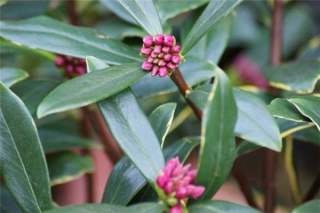
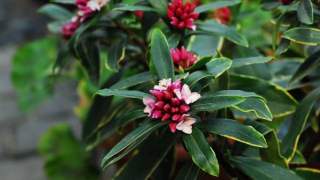
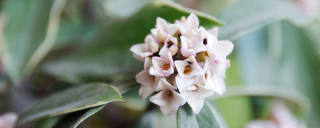
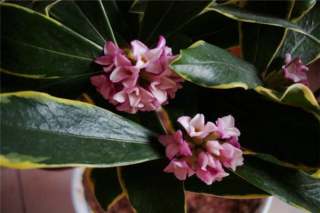
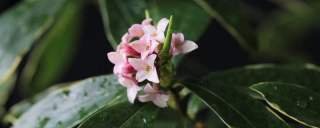
Daphne shrubs, encompassing popular species like Daphne odora (Winter Daphne) or Daphne cneorum (Rose Daphne), are not plants that have evolved for deep woodland floor conditions. Their natural habitat is often the dappled light of woodland edges or open shrublands. While they are frequently described as shade-tolerant, this tolerance has strict limits. Their physiology is adapted to perform optimally with a certain amount of filtered or morning sunlight. In true full shade, a Daphne plant will struggle to manufacture enough energy. This energy deficit manifests not as immediate death, but as a gradual decline. The plant's metabolic processes will slow, resulting in significantly reduced new growth. The stems may become elongated and spindly (a condition known as etiolation) as the plant stretches weakly in a desperate search for a light source.
Flowering is an exceptionally energy-intensive process for a plant. Producing complex floral structures, nectar, and fragrance requires a substantial surplus of sugars. For a Daphne, renowned for its powerfully fragrant blooms, a full shade environment makes reliable flowering highly improbable. The plant will be in a perpetual state of energy conservation, unable to allocate resources to reproductive efforts. You may see few to no flowers, which defeats one of the primary purposes of growing a Daphne. More critically, the lack of energy impacts the root system. A weak root system is less efficient at absorbing water and nutrients, making the plant more susceptible to environmental stresses. This is particularly dangerous for Daphnes, which are already notoriously sensitive to root disturbance and poor drainage. The combination of energy starvation and vulnerable roots creates a high-risk scenario for root rot diseases, which are often the ultimate cause of death for a struggling Daphne.
Rather than full shade, the ideal light condition for most Daphne varieties is best described as partial shade or dappled sunlight. This means a location that receives gentle morning sun but is protected from the intense, hot afternoon rays. In these conditions, the plant receives sufficient light for robust photosynthesis without suffering from heat stress or excessive water loss through its leaves. The morning sun helps to dry the foliage, reducing the risk of fungal diseases, while providing the energy needed for compact growth and prolific flowering. For gardeners in hotter climates, the shade requirement increases; conversely, in cooler, cloudier climates, a Daphne can tolerate and may even appreciate more direct sun. The key is to avoid the extremes of deep, full shade and scorching, full sun.