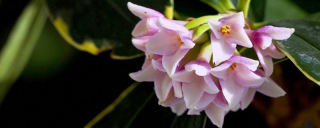
From my perspective as a Daphne, the single most common reason for my decline is related to my roots. I demand exceptionally well-drained soil. If I am planted in heavy, compacted clay or a site that collects water, my delicate root system begins to rot. It's a slow, suffocating process. The soggy conditions prevent oxygen from reaching my roots, and fungal pathogens like Phytophthora thrive, attacking and destroying my ability to take up water and nutrients. Even if the surface looks dry, the soil around my root ball might be a waterlogged prison. Conversely, being planted too deep is equally fatal. My root flare—the point where my trunk widens at the base—must be level with or slightly above the surrounding soil grade. Burying this flare is like forcing me to wear a collar that's too tight; it invites rot and bark damage, slowly girdling and killing me.
Being uprooted from my nursery pot and placed in your garden is an immense shock to my system. My entire world has been disrupted. This is known as transplant shock, and I am notoriously sensitive to it. My roots were likely pot-bound, circling tightly in their container. If they weren't gently teased apart or scored before planting, they may continue to grow in a circular pattern rather than reaching out into the native soil to establish myself. This creates a condition called "girdling roots" that will strangle me over time. Furthermore, the new soil chemistry, moisture levels, and light exposure are all different from what I was accustomed to. I need consistent, gentle care to recover from this trauma and begin new root growth, which is my only path to survival.
You are likely trying your best to quench my thirst, but my watering needs are a very delicate balance. As I've mentioned, I despise wet feet, so overwatering is a death sentence. However, allowing my root ball to dry out completely is just as catastrophic. When newly planted, my limited root system is confined to the original root ball. If the surrounding soil is moist but this root ball dries out, I will wilt and my leaves will scorch, leading you to believe I need more water. You might then water even more, inadvertently waterlogging the root ball and causing rot. The key is to keep the root ball consistently moist, like a well-wrung sponge, but never soggy. This requires careful, frequent checking, especially in the first few weeks, not just a routine sprinkling.
Where you placed me is of paramount importance. I prefer dappled sunlight or morning sun with afternoon shade. If I am baking in hot, direct afternoon sun, especially against a south or west-facing wall, I will become stressed, my leaves will scorch, and I will struggle to conserve water. Harsh, drying winds can have a similar effect, desiccating my leaves faster than my roots can supply moisture. Finally, I am particular about my soil's chemistry. I thrive in slightly acidic to neutral soil (pH 6.0-7.0). If your soil is too alkaline, I cannot access essential nutrients like iron, leading to chlorosis—a yellowing of the leaves while the veins remain green. This weakens me significantly and makes me susceptible to other problems.
I am a delicate plant, both above and below the soil. During planting, if my stems or bark were accidentally nicked or broken, it creates an open wound for disease to enter. Even compacting the soil too firmly around my base with your feet can damage my shallow roots and harm the bark on my trunk. Furthermore, while you mean well, applying a strong fertilizer to me right after planting is like force-feeding a patient in recovery. My burned, tender root tips cannot handle the high salt concentration of chemical fertilizers, and the surge of nitrogen forces top growth that my damaged roots cannot support. It is best to amend the soil with compost at planting time and wait until I show signs of new growth before considering a very mild, balanced feed.