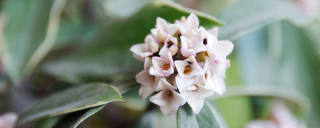
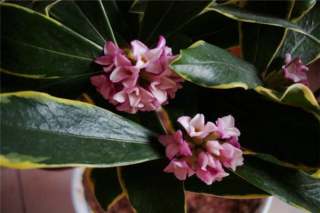
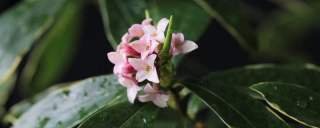
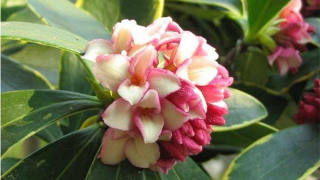
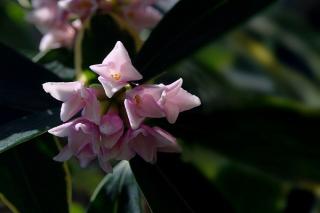
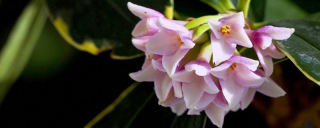
From our roots' perspective, the single most important factor for our survival is the ground you place us in. We are notoriously fussy about our foundation. We demand exceptionally well-draining soil. If our roots sit in water, even for a short period, they will rot, and we will perish. A raised bed or a sloping site is ideal. The soil should be rich in organic matter, slightly acidic (a pH between 5.5 and 6.5 is perfect), and feel like a moist but crumbly sponge. We also prefer a spot with dappled sunlight or morning sun with afternoon shade. The intense, hot afternoon sun in many parts of the US will scorch our beautiful, variegated leaves, causing them to turn brown and crispy.
Watering is a delicate art with us. We despise drought as much as we despise soggy feet. Our goal is consistent, even moisture. This means you must check the soil regularly. Stick your finger about an inch into the soil near our base. If it feels dry, it's time for a deep, thorough drink. If it's still moist, wait. We are particularly vulnerable during our first year in your garden as we establish our root system. Once established, we are more tolerant of short dry spells, but consistent moisture is always best. A layer of organic mulch, like pine needles or shredded bark, spread around our base (but not touching our main stem) will help conserve moisture and keep our roots cool.
We are not heavy feeders, and over-fertilizing can be as detrimental as neglect. A strong dose of chemical fertilizer can burn our sensitive roots. We prefer a gentle, steady diet. The best approach is to incorporate plenty of compost or well-rotted manure into the soil at planting time. After that, a single, light application of a balanced, slow-release, acid-loving fertilizer in early spring, just as new growth begins, is sufficient. This gives us the nutrients we need to produce our fragrant winter flowers and vibrant new foliage without the risk of root shock.
Please, be very thoughtful about pruning us. We have a naturally beautiful, compact, mounding habit and do not require regular shaping. In fact, we resent heavy pruning and may not regenerate well from old wood. If you must prune, the best time is immediately after our main flowering period in late winter or early spring. This allows us to put energy into new growth that will bear next season's flower buds. Only remove dead, damaged, or diseased branches, or make very light, selective cuts to maintain shape. Always use sharp, clean tools to make precise cuts.
We thrive in USDA Hardiness Zones 7-9. In Zone 7, a protected location is wise to shield us from harsh winter winds. In the hotter parts of Zone 9, deep shade becomes increasingly important. Our main challenge, aside from drainage, is our susceptibility to viral diseases like Daphne Sudden Death Syndrome. There is no cure, and it can cause a rapid decline. The best prevention is to provide us with the perfect cultural conditions from the start—a stress-free plant is a healthy plant. Occasionally, aphids or scale insects may visit; a strong spray of water or horticultural oil usually manages them. Remember, we are a slow-growing, somewhat fragile shrub. Patience is key. Do not expect rapid growth, and appreciate us for our exquisite fragrance and elegant foliage.