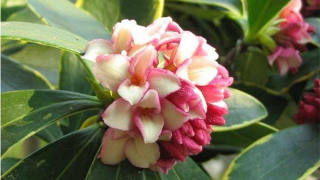
From my perspective as a Daphne, the most immediate and devastating sign of overwatering begins where you cannot easily see: at my roots. My roots are not just anchors; they are my lungs and my mouth. They need to breathe oxygen from the air pockets in the soil to create energy. When I am given too much water, those precious air pockets are flooded and filled with water. I am literally drowning. This creates an anaerobic environment, a condition without oxygen. My delicate root hairs, responsible for absorbing water and nutrients, begin to suffocate and die. As they rot away, they turn soft, mushy, and dark brown or black. This is root rot. With my root system compromised, I can no longer drink or eat, no matter how much water is in the soil. The first sign you might see above ground is a general wilting, which is confusing because I look thirsty when, in fact, I am suffocating from too much water.
My leaves are my primary way of communicating my health. When I am overwatered, they send clear distress signals. The first visual cue is often a change in color. Instead of my vibrant, healthy green, my leaves may turn a pale, sickly yellow, particularly the older leaves towards the base of my stems. This yellowing, known as chlorosis, occurs because the damaged roots cannot uptake essential nutrients like nitrogen. In more advanced stages, the leaves may develop dark brown, almost black, soft spots or patches, especially around the edges and tips. This is a direct result of the cells dying from waterlogging. Finally, in a desperate attempt to conserve what little energy I have left, I will shed my leaves. This is not a seasonal drop; it is a sudden and dramatic leaf drop, affecting both old and new growth. It is my way of reducing the demand on my failing root system.
A healthy Daphne like me is a plant that is constantly striving to grow, especially in the appropriate season. One of the most telling signs of chronic overwatering is a complete halt in new growth. My stems remain static, and no new buds form. If I was in the process of flowering when the overwatering began, you will witness a phenomenon known as "bud blast." The flower buds, which hold so much promise, will turn brown, dry up, and fall off before they ever have a chance to open. This happens because I must redirect all my dwindling energy simply to survive; there are no resources left for the luxurious processes of blooming or producing new leaves. My entire system shifts from one of growth and vitality to one of mere survival.
The consistently wet soil around my base creates an ideal breeding ground for pests and diseases, which are secondary signs of overwatering. You may notice tiny, dark flies hovering around me. These are fungus gnats, and they are attracted to the damp, decaying organic matter in the soil—a condition that should not be present around a healthy plant. Their larvae feed on my already compromised roots, compounding the damage. Furthermore, you might see a white, fuzzy mold growing on the surface of the soil. This mold is a saprophytic fungus, thriving on the decaying roots and organic material in the oxygen-deprived environment. Its presence is a clear indicator that the soil is staying wet for far too long.