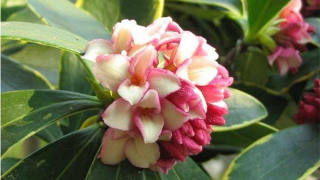
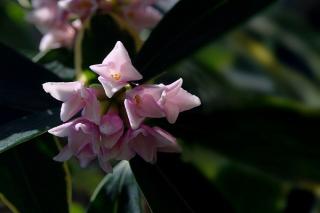
Daphne plants, known for their fragrant blooms and often challenging cultivation, have very specific soil requirements. From the plant's perspective, the pH of the soil is not a mere number but a fundamental key that unlocks or locks away the essential nutrients needed for survival and prosperity. The ideal soil pH for most Daphne species, such as Daphne odora or Daphne x burkwoodii, is slightly acidic to neutral.
For a Daphne plant, the ideal soil pH lies in a range of approximately 5.5 to 6.5. Within this slightly acidic window, the chemistry of the soil solution is optimal for the uptake of crucial nutrients. When the pH is within this range, elements like iron, manganese, phosphorus, and potassium remain in soluble forms that the plant's root system can easily absorb. Iron, in particular, is vital for chlorophyll synthesis. If the pH rises above 6.5, iron begins to become insoluble and "locked up" in the soil, unavailable to the plant. This directly leads to iron chlorosis, a condition where the leaves turn yellow while the veins remain green, severely hampering the plant's ability to photosynthesize and produce energy.
Straying outside the ideal pH range creates a hostile environment for the root system, which is notoriously sensitive in Daphne plants.
When the soil is too alkaline (pH above 7.0), the problem of nutrient lock-up becomes acute. Beyond the issue of iron deficiency, other micronutrients like manganese and boron also become less available. The plant struggles to access the building blocks it needs for growth, leading to stunted development, poor flowering, and an overall decline in health. The plant is essentially starving in plain sight, surrounded by food it cannot consume.
When the soil is too acidic (pH below 5.5), a different set of problems emerges. In highly acidic conditions, aluminum and manganese can become so soluble that they reach toxic levels. These elements can poison the root tips, damaging the delicate structures responsible for water and nutrient absorption. This root damage compromises the entire plant, making it wilt easily, appear stressed, and become highly vulnerable to root rot diseases, often leading to a sudden and fatal collapse.
The pH level also governs the health and activity of beneficial soil microorganisms. These microbes, including mycorrhizal fungi, form symbiotic relationships with the Daphne's roots, extending their reach and efficiency in gathering water and nutrients. A slightly acidic to neutral pH fosters a thriving community of these beneficial organisms. An incorrect pH can decimate this microbial life, leaving the plant to fend for itself without its natural allies. Furthermore, pH influences soil structure. The ideal range helps maintain a well-aerated soil that allows for excellent drainage—a critical factor for Daphne, which abhors "wet feet." Waterlogged conditions, more common in poorly structured alkaline or very acidic soils, quickly lead to root rot, which is often fatal.
For a Daphne plant, consistency is paramount. It does not respond well to sudden shifts in its soil environment. Therefore, the pH should be tested before planting and monitored annually. If the soil is too alkaline, the gradual incorporation of elemental sulfur or acidic organic matter like peat moss or composted pine bark can lower the pH over time. If the soil is excessively acidic, the careful application of garden lime can raise it. However, from the plant's root-level view, these adjustments must be made gently and well in advance of planting to avoid shocking the system. Mulching with an acidic medium like pine needles can help maintain a stable, slightly acidic pH at the root zone, mimicking the plant's natural woodland habitat.