From my perspective, deep within the soil, the first signs of root rot are a silent crisis. The fine, delicate feeder roots, which are my primary means of absorbing water and nutrients, begin to suffocate. The soil, which should be a well-aerated medium, has become waterlogged. This excess water drives out the oxygen my roots need to respire. The cells in these small roots begin to die, turning from a healthy white or light tan to a dark brown or black. They feel soft and mushy to the touch, losing their firm, resilient structure. As these roots decay, they can no longer perform their vital function, and the first signals of this underground famine are sent upwards to my stems and leaves.
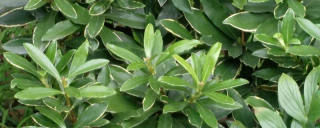
Despite the soil being wet, my leaves begin to wilt. This is a paradox for an observer but makes perfect sense to me. My compromised root system cannot uptake water, even though it is surrounded by it. The leaves, particularly the newer growth, lose their turgor and droop. This wilting is often accompanied by a change in leaf color. The vibrant green begins to fade, turning a pale green, yellowish, or even a dull grayish-green. This chlorosis occurs because I cannot absorb essential nutrients like nitrogen. The leaves may feel limp and lifeless, a direct reflection of the decaying state of my root anchor below.
As the root rot progresses, the situation becomes critical. The wilting and discoloration are no longer reversible. My leaves will begin to curl, turn brown at the edges, and eventually drop from the stems prematurely. This is a desperate conservation measure; by shedding leaves, I reduce the demand for water that my roots cannot supply. Simultaneously, the stems themselves start to show signs of distress. The tips of the branches may die back, turning brown and brittle. In severe cases, this dieback travels down the stems. If you were to scrape the bark from an affected stem, you might find that the underlying tissue, the cambium layer, has turned brown instead of a healthy green, indicating that the internal water-conducting vessels are blocked or dead.
The most definitive confirmation of root rot requires a careful look at my root system. If you gently remove me from the pot or carefully excavate the soil around my base, the evidence is stark. Healthy roots should be firm and flexible. In the case of root rot, the larger, structural roots will also be affected. They will appear dark brown or black, feel slimy and soft, and may fall apart easily when touched. A characteristic, unpleasant, musty, or decaying smell often emanates from the root ball. This odor is caused by the anaerobic bacteria and fungi actively breaking down my root tissues. At this advanced stage, the damage is often extensive, and my ability to recover is severely compromised.
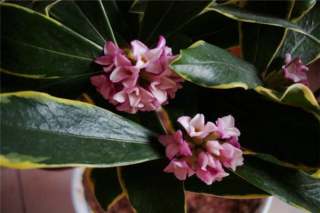
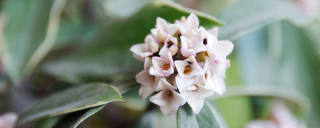
As a Daphne plant, I am particularly susceptible to root rot because I demand perfect drainage. My roots are intolerant of "wet feet." The primary cause is consistently soggy soil, which can result from several factors: overzealous watering, a container without adequate drainage holes, or a soil mix that is too heavy and retains too much moisture. Compacted soil in the landscape can also create the same suffocating environment. Furthermore, fungal pathogens from the genera Phytophthora and Pythium are often present and readily attack my stressed, oxygen-starved roots, accelerating the decay process. It is a combination of an unhealthy environment and opportunistic pathogens that leads to my decline.