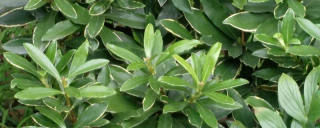
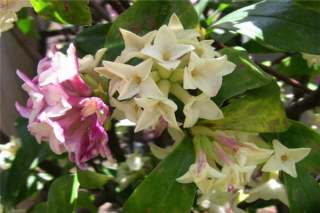
Daphne shrubs are prized by American gardeners for their intensely fragrant flowers, which bloom during lean times of the year, often in late winter or early spring. While their beauty and scent are alluring, many Daphne species have a reputation for being finicky. Success hinges on understanding their specific cultural needs. The key is selecting a variety that matches your regional climate and microclimate, as well as providing the sharp drainage and slightly alkaline soil they universally demand. The following varieties represent some of the most reliable and rewarding choices for gardens across the United States.
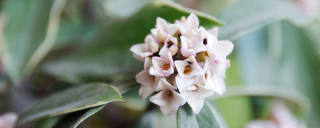
For gardeners who have struggled with other Daphnes, this cultivar is often the breakthrough plant. A hybrid of Mediterranean species, 'Eternal Fragrance' is celebrated for its exceptional tolerance of a wider range of conditions, including greater heat tolerance than many other types. Its most remarkable trait is its incredibly long blooming period. It produces clusters of small, star-shaped, white to pale pink flowers from spring straight through to the first hard frost, with the signature sweet fragrance permeating the garden for months. It forms a neat, rounded evergreen shrub reaching about 3 feet tall and wide, making it perfect for a patio container or a spot near a walkway where its scent can be appreciated.
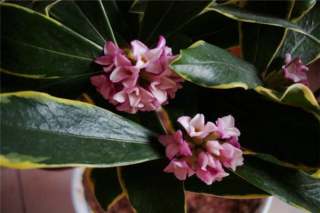
This is the classic winter-blooming Daphne, famous for its powerful, lemony-rose fragrance that can stop you in your tracks in February or March. Daphne odora 'Aureomarginata' is as valued for its foliage as its flowers. Its evergreen leaves are glossy and dark green with a striking, creamy-yellow margin. It typically grows into a dense, mounded shrub 3 to 4 feet tall. While it is arguably the most fragrant, it is also known for being somewhat temperamental. It demands perfect drainage, part shade (especially from hot afternoon sun), and protection from harsh winter winds. It thrives in the Pacific Northwest and similar mild-winter climates but can be challenging in areas with extreme summer heat or heavy, wet clay soils.
For a low-growing, ground-covering Daphne, Daphne cneorum is an excellent choice. This prostrate, evergreen shrub forms a wide mat, typically only 6 to 12 inches high but spreading several feet wide. In late spring, it becomes covered with incredibly fragrant, deep pink flower clusters. It is notably more cold-hardy than D. odora, thriving into USDA zone 4. Its key requirement is exceptionally sharp drainage; it is perfectly suited for a rock garden, a slope, or the top of a retaining wall. It prefers a sunny spot but appreciates some afternoon shade in hotter regions. Good air circulation around its base is crucial to prevent fungal issues.
This variegated cultivar is one of the most popular and widely grown Daphnes for good reason. 'Carol Mackie' is a deciduous to semi-evergreen shrub that offers multi-season interest. Its leaves are gray-green with a distinct, creamy-white margin. In late spring, it produces abundant, pale pink, highly fragrant flower clusters. It has a neat, compact growth habit, reaching about 3 feet tall and wide. It is generally considered more adaptable and easier to grow than D. odora, with better cold tolerance (to USDA zone 4). Like all Daphnes, it requires well-drained soil and does not tolerate wet feet.
Regardless of the variety chosen, certain non-negotiable conditions must be met. First, drainage is paramount. Plant Daphne in a raised bed or amend the soil heavily with gravel, grit, or pumice to ensure water drains away quickly from the root zone. Second, most prefer neutral to slightly alkaline soil; amending with lime can be beneficial in acidic regions. Third, provide dappled shade or morning sun with afternoon shade, as hot, direct sun can scorch the leaves. Finally, avoid transplanting and excessive fertilizer. Daphnes resent having their roots disturbed and are light feeders; too much nitrogen can be fatal. Once established in a suitable location, minimal intervention is the best approach.