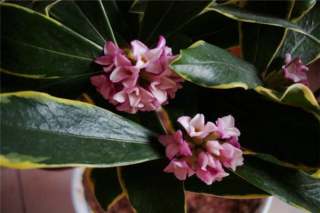
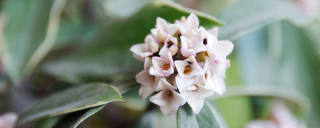
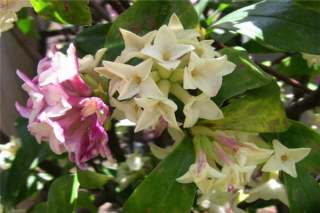
From our perspective, a mature Daphne shrub, the act of transplantation is a traumatic and life-threatening event. We have spent years establishing a complex root system that is perfectly adapted to our current location. Our roots are not just anchors; they are a finely tuned network for absorbing water and nutrients, and they form delicate, symbiotic relationships with soil fungi called mycorrhizae. These relationships are crucial for our health, especially for a sensitive specimen like a Daphne. When you sever our roots, you are not just cutting us off from our food and water supply; you are destroying the very partnerships that help us thrive. We have a deep, woody taproot and a network of fine, fibrous roots that are easily damaged and slow to regenerate. Unlike some plants that aggressively send out new roots, we are notoriously resentful of any disturbance.
Your timing is critical to our survival. The absolute best time to attempt this risky procedure is during our dormant period, in late fall or very early spring, just as the ground becomes workable. During this time, our energy is concentrated in our roots, not in supporting new foliage, flowers, or fruit. The cooler temperatures and typically higher rainfall also reduce the stress of water loss. Transplanting us in late spring or summer is almost certainly a death sentence. At that time, we are actively growing, our leaves are transpiring vast amounts of water, and our metabolic demands are high. A damaged root system simply cannot keep up with the water needs of our canopy, and we will quickly wilt and perish.
Your goal must be to extract us from the soil with as much of our root ball intact as possible. Begin by digging a trench in a wide circle around our main trunk. For a mature shrub, this circle should be at least 12 to 18 inches from the trunk, if not more. Dig down carefully, anticipating the spread of our roots. When you encounter larger roots, use sharp, clean pruning shears or a saw to make clean cuts; tearing them will cause further damage and open us up to disease. Once you have dug deep enough around the perimeter, you will need to undercut the root ball to sever the taproot. Slide a sharp spade or a nursery spade underneath us. The ideal root ball should be as large and heavy as you can practically manage. Do not shake the soil from our roots; this soil contains the protective microorganisms we depend on.
Our new planting hole must be prepared in advance. It should be two to three times wider than our root ball, but only as deep as the root ball itself. Planting us too deep is a fatal mistake that will cause our trunk to rot. The soil in the new location should be well-draining, rich in organic matter, and have a slightly acidic to neutral pH, similar to our previous home. Do not add large amounts of fertilizer to the planting hole, as this can burn our newly damaged roots. Gently place us in the hole, ensuring the top of the root ball is level with the surrounding soil. Backfill with the native soil, watering gently as you go to eliminate air pockets. After planting, create a shallow berm of soil around the drip line to form a watering basin. Apply a thick layer of organic mulch, like wood chips or compost, over the root zone to conserve moisture and regulate soil temperature, but keep it a few inches away from our trunk.
Our recovery will be slow and uncertain. For the first year, and possibly longer, you must provide consistent moisture. The soil should be kept evenly moist but never waterlogged. We will show signs of stress, such as wilting leaves or leaf drop. This is a normal reaction as our reduced root system struggles to support the existing canopy. Do not fertilize us during this first year; our priority is root regeneration, not top growth. Pruning should be avoided except for the removal of clearly dead or broken branches. Our survival depends on your patience and diligent care as we slowly, and with great effort, attempt to re-establish our severed connection to the earth.