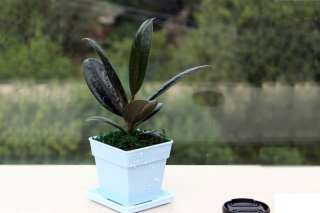
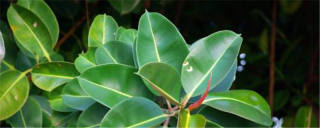
From the perspective of the rubber plant (*Ficus elastica*), the appearance of brown spots or edges on its leaves is a clear signal of distress. These discolorations are symptoms of an underlying issue affecting its physiological processes. As a plant, I cannot vocalize my problems, so I communicate through my foliage. Understanding the specific cause requires observing the pattern and location of the browning.
The most common reason for my leaves to turn brown is an imbalance in water availability. My roots are highly sensitive to their environment. Overwatering is a severe threat. When my soil is constantly saturated, the roots are deprived of oxygen and begin to rot. This damaged root system can no longer effectively transport water and nutrients to my leaves. Consequently, the leaf cells, particularly at the edges and tips where moisture is hardest to deliver, die and turn brown, often starting with soft, dark spots. Conversely, Underwatering creates a different kind of stress. Without sufficient water, the internal water pressure (turgor) in my leaf cells drops. The cells dehydrate and die, resulting in crispy, light brown edges that may curl. The plant sacrifices the furthest parts of the leaf to conserve water for the core stem and newer growth.
As a native of tropical rainforests, I am adapted to environments with high atmospheric humidity. In dry indoor air, the rate of water loss from my leaves through transpiration increases dramatically. The leaf edges are the first to lose more water than the roots can replace, especially if the air is hot and dry. This causes the leaf margins to desiccate and turn a crisp brown. This is not a soil moisture issue but an atmospheric one. It is my way of showing that the air around me is too arid for my physiological comfort, hindering my natural processes.
Light is my energy source, but the wrong intensity can cause damage. Direct, hot sunlight acts like a magnifying glass on my leaves, literally scorching the tissues. This creates pale brown, scorched patches or spots, often in the center of the leaf where the sun's rays are most concentrated. The chlorophyll, essential for photosynthesis, is destroyed in these areas. On the other hand, while I am tolerant of shade, prolonged very low light weakens me overall. A weakened plant is more susceptible to other stresses, like overwatering or disease, which can manifest as browning leaves. My system cannot function efficiently without adequate light energy.
The minerals in tap water and fertilizer can accumulate in my soil over time. A high concentration of salts, such as fluoride and chlorine, or an excess of fertilizer salts, creates a hypertonic environment around my roots. This makes it difficult for me to absorb water—a condition known as physiological drought. The excess salts are sometimes transported to the leaf edges, where they accumulate and cause toxicity, resulting in brown, crispy margins, often with a yellow halo. This is a sign that the chemical composition of my soil is out of balance and is harming my root function.
Pests like spider mites, scale insects, and thrips are direct attackers. They pierce my leaf surfaces and feed on the sap within, destroying individual cells. This feeding activity creates small, stippled brown spots where the cells have been killed. As the infestation grows, these spots can merge into larger brown patches. The damage is not just cosmetic; it impairs my ability to photosynthesize and weakens my entire system. The browning is a visible record of the physical injury and nutrient loss caused by these pests.