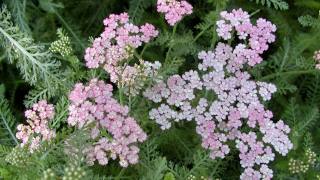
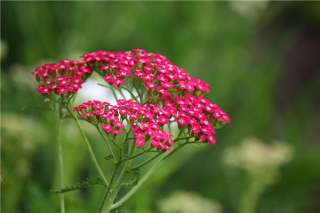
Yarrow (Achillea millefolium) is a remarkably resilient and adaptable perennial plant. From a botanical perspective, its success across a wide range of climates is due to its specific physiological adaptations and growth requirements. While it is known for its toughness, the quality of its growth, flowering, and overall vitality are significantly influenced by the climatic conditions defined by the USDA Hardiness Zones.
For a yarrow plant, the zones between 3 and 9 represent the ideal balance of environmental factors it has evolved to exploit. This plant is fundamentally a sun-worshiper, requiring a full day of direct sunlight to produce strong stems, avoid legginess, and develop the potent aromatic oils in its foliage. The climatic conditions across these zones provide the necessary long, warm growing season for robust vegetative growth and prolific flowering. Furthermore, yarrow possesses a deep and fibrous root system that is highly efficient at sourcing water. This makes it exceptionally drought-tolerant once established, a trait perfectly suited for the warmer summers found in the upper end of this range (Zones 7-9). Crucially, yarrow is a perennial that requires a period of winter dormancy for long-term health. The distinct cold seasons in Zones 3 through 8 provide this necessary rest period, triggered by shorter day lengths and colder temperatures, which allows the plant to conserve energy for a vigorous resurgence in spring.
In the colder climates of Zones 3 and 4, where winter temperatures can plummet to -40°F (-40°C), yarrow demonstrates exceptional cold hardiness. The plant's survival strategy here is to die back completely to the ground after the first hard frost. Its life force retreats into its well-established crown and root system, which are protected below the soil surface and often by a layer of snow acting as an insulating blanket. The plant enters a state of deep dormancy. From a growth perspective, the relatively shorter, cooler summers in these zones are still perfectly adequate for yarrow to complete its life cycle. It may bloom slightly later than in warmer zones, but the flowers are often more intense in color due to the cool nights.
At the warmer end of its optimal range, yarrow's relationship with its environment changes. In Zones 8 and 9, the primary challenges are intense summer heat and potential humidity. While yarrow is drought-tolerant, extreme heat can cause stress. In these zones, ensuring excellent soil drainage is paramount to prevent crown rot, which is a greater risk in heavy, wet soils, especially during warm, humid winters. The plant may not experience a significant winter dormancy; instead, it may simply slow its growth. This can lead to a shorter overall lifespan for the plant, causing it to act more as a short-lived perennial. To compensate, yarrow will often self-seed readily in these zones, ensuring its presence in the garden. Providing afternoon shade in the hottest regions can help mitigate heat stress.
Outside the range of Zones 3-9, yarrow faces significant physiological challenges. In Zones 2 and below, the extreme and prolonged cold can damage or kill the root crown, especially if there is no consistent snow cover for insulation. Conversely, in the consistently warm, frost-free climates of Zones 10 and above, the lack of a winter dormancy period is the main issue. The plant remains in a constant, but often weakened, state of growth. This perpetual cycle can exhaust the plant, making it more susceptible to pests like aphids and diseases like powdery mildew, ultimately leading to a decline in vigor and a very short lifespan. In these unsuitable zones, the plant struggles to achieve the robust form and prolific flowering it exhibits within its preferred hardiness range.