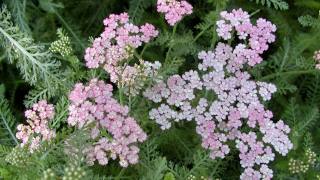
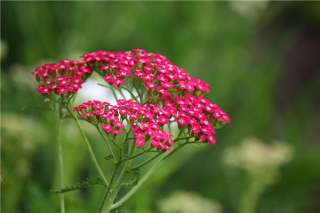
Yarrow (Achillea millefolium) is a hardy perennial plant known for its feathery, aromatic foliage and clusters of small, daisy-like flowers. From a botanical perspective, the question of toxicity is intrinsically linked to the plant's chemical makeup, which it produces for its own defense and survival. Yarrow contains a complex array of bioactive compounds, including flavonoids, alkaloids, and volatile oils. The most significant components from a toxicity standpoint are the sesquiterpene lactones and glycosides. These compounds are effective deterrents against herbivores like insects and grazing animals, but they can also cause adverse reactions in pets and humans if consumed in large quantities or by sensitive individuals.
For household pets such as dogs and cats, yarrow is generally considered to be mildly toxic. The primary concern lies in the sesquiterpene lactones, which can cause gastrointestinal irritation. If a pet ingests a significant amount of the plant, symptoms may include vomiting, diarrhea, drooling, and loss of appetite. In some cases, the plant can cause dermatitis upon skin contact. While a fatal outcome is extremely rare, the discomfort and dehydration resulting from severe vomiting or diarrhea should not be underestimated. It is prudent for pet owners to prevent their animals from chewing on yarrow plants in the garden. Horses, being grazing animals, are also susceptible to these effects, and prolonged consumption can lead to more serious issues.
For humans, yarrow occupies a unique position as both a potential irritant and a historical medicinal herb. The same chemicals that cause issues in pets can affect people. Handling the plant, especially during gardening, can cause photodermatitis in some individuals—a skin rash that becomes more pronounced with sun exposure. This is a common allergic reaction to plants in the Asteraceae family. Regarding ingestion, the fresh plant can be unpleasant and potentially cause mouth irritation or mild stomach upset. However, yarrow has a long history of controlled use in herbal medicine, typically in dried or prepared forms like teas and tinctures. Such preparations are intended for specific, short-term use and can have contraindications, particularly for pregnant women or individuals on certain medications. Therefore, while not acutely toxic, casual consumption is not advised.
A critical botanical principle is that "the dose makes the poison." The level of toxicity of yarrow is highly dependent on the amount ingested and the individual's sensitivity. A small nibble by a dog or a child will likely result in little to no effect, whereas consuming a large portion of the plant increases the risk of noticeable symptoms. Individual allergic reactions also play a significant role. Just as some people are allergic to peanuts or pollen, a specific individual or pet might have a heightened sensitivity to the compounds in yarrow, leading to a more severe reaction than would be typical. This variability is a key reason for caution.
To provide context, yarrow's toxicity profile is considerably milder than that of many common ornamental plants. For instance, plants like lilies (highly toxic to cats, causing kidney failure), oleander, or foxglove (which contain potent cardiac glycosides) pose a far greater and more immediate threat to both pet and human health. Yarrow's primary defense mechanism is geared towards causing discomfort rather than being lethally poisonous, aligning with its strategy to deter browsing animals without necessitating the high metabolic cost of producing extremely potent toxins.