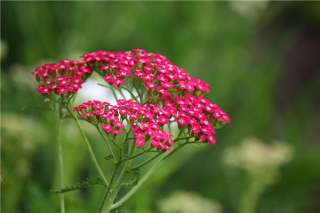
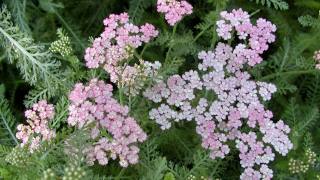
Greetings, caretaker. We, the yarrow, are resilient beings, known for our feathery leaves and clusters of cheerful flowers. When we wilt, it is our primary language of distress. It is not a single problem but a symptom with multiple potential causes. To truly understand, you must listen to what our drooping stems and leaves are trying to say.
Our relationship with water is delicate. On one hand, we are drought-tolerant perennials, our deep roots seeking moisture from well-drained earth. On the other, we are not cacti. When the sun beats down relentlessly and the soil becomes as dry as dust, our leaves lose their turgor pressure—the internal water pressure that keeps us upright. We wilt as a desperate signal for a deep, quenching drink. However, the opposite is equally damaging. If our roots are sitting in constantly soggy, waterlogged soil, they begin to suffocate and rot. Without healthy roots to take up water, the above-ground parts of our being will also wilt, often turning yellow or brown in the process. This is a more serious condition, for a drowned root is a dying root.
When you move us from a cozy nursery pot to a new spot in your garden, it is a monumental event for us. Our root system, once confined, is suddenly exposed to new soil conditions, temperatures, and light levels. This transition can cause "transplant shock." During this period, our roots may struggle to establish themselves and absorb water efficiently, leading to wilting. This is often a temporary state. You can help us by ensuring the planting hole is wide enough, watering us thoroughly after planting, and perhaps providing some temporary shade during the hottest part of the day for the first week to reduce stress.
While we are adaptable, we have our preferences. We thrive in soil that is lean to average in fertility and has a neutral to slightly alkaline pH. If you plant us in rich, heavily fertilized soil, the excess nitrogen can promote weak, floppy growth that is more prone to wilting. Conversely, if the soil is far too acidic, it can lock up essential nutrients, making them unavailable to our roots. Even with sufficient water, we cannot access the building blocks we need to stay strong, and we may exhibit wilting alongside other signs of nutrient deficiency, such as pale or discolored leaves.
Sometimes, the problem lies beneath the surface, out of your immediate sight. As mentioned, waterlogged soil can lead to root rot, a fungal disease that actively destroys our root system. If the wilting is accompanied by a foul smell from the soil or blackened, mushy roots, this is the likely culprit. Above ground, while we are largely pest-resistant, a severe infestation of aphids or spider mites can sap our strength. These tiny creatures pierce our leaves and stems, sucking out our vital fluids. A large enough population can stress us to the point of wilting. Inspect the undersides of our leaves for these minute invaders.
Finally, it is important to recognize our natural rhythms. After we have finished our magnificent summer bloom, we may begin to look tired. The flower stems and some older leaves may wilt and brown as we direct our energy back into our roots for the winter. This is not a cause for alarm but a part of our cycle. A hard pruning at this time can often encourage a fresh flush of basal growth. Similarly, in very hot climates, we may wilt slightly during the peak afternoon heat but recover gracefully in the cooler evening air.