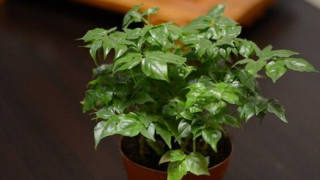
Greetings. I am an Emerald Tree, though you may know me by my scientific name, *Philodendron bipinnatifidum*, or common names like Lacy Tree Philodendron or Split-Leaf Philodendron. To thrive in your home and unfurl my large, deeply lobed, and vibrantly green leaves, my root system requires a very specific environment below the soil surface. Providing the right soil type and pH is the most fundamental gift you can give me for a long and healthy life.
From my perspective, the single greatest threat to my well-being is waterlogged soil. My roots need to breathe. When they are constantly saturated, they suffocate and begin to rot, a condition from which it is difficult to recover. Therefore, the primary characteristic of my ideal soil mix is excellent drainage. I do not want a dense, moisture-retentive potting mix meant for plants that enjoy constant dampness. A standard garden soil or a cheap, heavy potting mix is a death sentence for me. What I crave is a loose, chunky, and airy medium that allows water to flow through freely, leaving the roots moist but not swimming.
Think of creating a perfect, well-aerated structure for my roots to explore. A high-quality, well-draining potting mix is a good base, but it should be amended with several key ingredients to achieve the right texture.
• **Potting Base:** A premium indoor plant potting mix provides a light foundation. • **Orchid Bark:** The inclusion of coarse orchid bark pieces is crucial. These chunks create essential air pockets, improving drainage and aeration, mimicking the organic debris I would find on the forest floor. • **Perlite:** These white, lightweight particles are like tiny sponges that hold some air and water while preventing the soil from compacting. They keep the mix light and fluffy. • **Horticultural Charcoal (Optional but Beneficial):** A handful of horticultural charcoal helps to keep the soil "sweet" by filtering impurities and preventing souring, adding another layer of protection against root rot. • **Coco Coir (Optional):** This can be used in place of or alongside peat moss. It helps retain a slight amount of moisture without becoming waterlogged and has a more neutral pH.
A simple and effective recipe you can make for me is one part potting mix, one part orchid bark, and one part perlite. This combination ensures the quick drainage I desperately need.
The soil's pH level, which measures its acidity or alkalinity, is not just a number; it is the key that unlocks the nutrients I need from the soil. My roots can only absorb essential minerals like iron, manganese, and phosphorus efficiently within a specific pH range. If the pH is incorrect, these nutrients become "locked up" and unavailable to me, leading to deficiencies that manifest as yellowing leaves (chlorosis), stunted growth, and poor health.
I prefer a soil pH that is slightly acidic to neutral. The ideal range for me is between **5.5 and 7.0**. Within this window, the majority of the nutrients I require are readily accessible. If the pH drifts too high (alkaline), my leaves may start to turn yellow, particularly between the veins, indicating an iron deficiency. If the pH is too low (highly acidic), it can lead to toxicity from certain elements and a lack of available phosphorus, which is vital for my energy systems and root development.
To maintain this ideal environment, please ensure my pot has ample drainage holes. When you water me, do so thoroughly until water runs freely from the bottom of the pot, but always empty the saucer afterward to prevent me from sitting in water. You can test the soil pH every 6-12 months using a simple home test kit. If the pH becomes too high, you can gently lower it by watering with a mixture containing a small amount of peat moss (which is acidic) or a pH-lowering solution formulated for plants. If the pH is too low, a light application of garden lime can help raise it. When you repot me every year or two, always use a fresh, well-draining mix to replenish nutrients and maintain the soil structure.