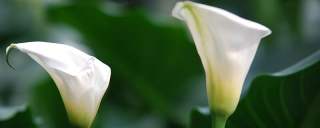
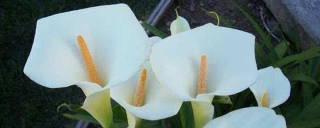
Calla lilies (Zantedeschia spp.), with their elegant spathes and lush foliage, are susceptible to several diseases that can compromise their health and beauty. Understanding these ailments from the plant's perspective is key to effective prevention and treatment. The following sections detail the most common threats.
From our perspective as calla lily plants, this is one of the most devastating diseases. It typically enters through wounds in our rhizomes or stems. Once inside, the bacteria produce enzymes that literally dissolve our cell walls, turning our firm, healthy tissues into a soft, watery, and foul-smelling mush. You might notice a rapid wilting of our leaves, yellowing, and collapse of the entire plant. The rhizome, our life source, becomes a brown, rotten mass. This disease thrives in overly wet, poorly drained soil and is exacerbated by warm temperatures.
Prevention and Treatment: The most crucial step is prevention through excellent cultural practices. Ensure we are planted in very well-draining soil and avoid overwatering, especially when temperatures are high. Always use sterile pots and clean, sharp tools when dividing our rhizomes, allowing the cut surfaces to callus over before replanting. There is no cure for an infected plant. You must immediately remove and destroy the entire plant, including the soil immediately surrounding our roots, to prevent the bacteria from spreading to our neighbors.
This fungal attack targets our root system, which is our primary means of absorbing water and nutrients. The pathogens thrive in waterlogged, oxygen-deprived soil. They invade our root tips, causing them to become brown, soft, and ineffective. As our roots die, the symptoms manifest above ground: our leaves turn yellow, starting with the older ones, and we exhibit stunted growth. Eventually, we wilt and collapse because our roots can no longer sustain us. A tell-tale sign is a plant that wilts even when the soil is moist.
Prevention and Treatment: Again, proper watering and drainage are paramount. Plant us in a loose, airy potting mix if we are in containers. Avoid letting us sit in saucers of water. If caught early, you might save us by removing the plant from the soil, washing our roots, and carefully cutting away all the soft, brown, rotten parts with a sterilized tool. Repot us in fresh, sterile, well-draining soil and adjust your watering habits. In severe cases, fungicides containing mefenoxam or phosphorous acid may be used as a soil drench, but they are most effective as preventative measures.
This fungus attacks our above-ground parts, particularly our beautiful flowers and leaves. It favors cool, humid, and stagnant air conditions. Botrytis appears as small, water-soaked spots on our spathes (the colorful flower bracts) which quickly enlarge and become covered in a characteristic gray, fuzzy mold. It can also cause spots and blights on our leaves. The fungus often infects aging or damaged tissue first, using it as a gateway to invade healthy parts of the plant.
Prevention and Treatment: Promote good air circulation around us by not overcrowding plants. Water us at the base, avoiding wetting our foliage and flowers, especially in the evening. Promptly remove any spent flowers or damaged leaves to eliminate potential infection sites. If an infection occurs, remove and destroy all affected plant parts immediately. Fungicides containing chlorothalonil or copper can be used to protect healthy tissue, but cultural controls are the most effective strategy.
This disease is easily recognizable by the white, powdery or talcum-like fungal growth that appears on the surfaces of our leaves and sometimes our stems. Unlike Botrytis, it can develop in warmer, drier conditions, especially when followed by cool, humid nights. The fungus saps our nutrients, causing our leaves to become distorted, turn yellow, and potentially drop prematurely, weakening us over time.
Prevention and Treatment: Ensuring good air circulation is critical. Avoid planting us in shady, damp areas where the mildew can thrive. Treatment options include spraying our leaves with horticultural oils, neem oil, or sulfur-based fungicides. For a mild case, a homemade solution of one tablespoon of baking soda and one-half teaspoon of liquid soap in a gallon of water can be effective. Always test any spray on a small area of our leaves first to check for phytotoxicity.