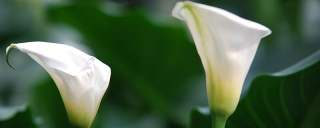
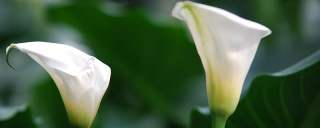
From my perspective as a Calla Lily, the foundation of my health and my ability to produce those magnificent, elegant blooms begins underground, with my roots. I am a rhizomatous plant, meaning I grow from a thick, fleshy underground stem called a rhizome. This rhizome is my storage unit for water and nutrients, but it is also incredibly susceptible to rot if conditions are not right. Therefore, the single most important characteristic I demand from a potting mix is excellent drainage. I need water to flow through the medium freely, providing moisture to my roots without leaving them waterlogged. A soggy environment will suffocate my roots and cause the rhizome to decay, which is often a death sentence for me. Simultaneously, the mix must retain just enough moisture so that I don't dry out completely between waterings. It's a delicate balance.
To create the perfect home for my rhizome and roots, I require a specific blend of ingredients. A high-quality, peat-based or coir-based potting mix should serve as the base, making up about 40-50% of the total volume. This base provides a light structure and helps with moisture retention. However, this base alone is too dense for my liking. To this, you must add a significant amount of drainage material. Coarse horticultural sand or perlite should constitute another 40-50% of the mix. These ingredients are non-negotiable; they create essential air pockets, improve drainage dramatically, and prevent the soil from compacting around my rhizome over time.
While I am not a heavy feeder compared to some plants, I do need a steady supply of nutrients to support my lush foliage and develop strong flower stalks. The base potting mix may contain some starter fertilizer, but it is not sufficient for my long-term needs. To ensure I have access to consistent, gentle nutrition, I greatly benefit from the incorporation of a slow-release, balanced fertilizer into the potting mix at the time of planting. A formula with a roughly equal ratio, such as a 10-10-10 or one slightly higher in phosphorus (the middle number, e.g., 5-10-5) to encourage blooming, is ideal. This granulated fertilizer will release nutrients gradually each time you water, feeding me for several months. Additionally, a small handful of worm castings (about 10% of the mix) can be added. This organic component provides beneficial microbes and improves the overall structure of the soil, making nutrients more available to me.
A factor that is often overlooked but critical to my well-being is the acidity or alkalinity of the soil, known as pH. I, like many flowering plants, prefer a slightly acidic to neutral soil environment. A pH range between 5.5 and 6.5 is optimal for me. Within this range, my roots can most effectively absorb the essential nutrients from the soil, even if they are present. If the pH is too high (alkaline), key nutrients like iron become locked up and unavailable to me, leading to yellowing leaves (chlorosis) and poor growth. While most peat-based mixes are naturally slightly acidic, it is a good practice to use a potting mix that lists its pH on the bag or to test it yourself with a simple kit to ensure it falls within my preferred range.
To bring all these needs together, here is a recipe that will make me thrive. Combine two parts of a high-quality peat or coir-based potting mix with two parts of perlite or coarse sand. To this, add one part of worm castings for microbial health and gentle nutrition. Then, thoroughly mix in a slow-release granular fertilizer according to the package directions for the volume of soil you are making. This blend provides the perfect balance: it is well-aerated and fast-draining to protect my rhizome, yet it retains enough moisture and provides a steady stream of food to support vigorous growth and abundant, long-lasting blooms throughout my growing season.