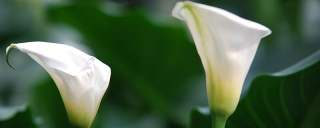
From a botanical perspective, the success of your cut Calla Lilies (Zantedeschia spp.) begins with the health and type of the underground storage organ: the rhizome. A rhizome is a modified stem that grows horizontally, storing starches and proteins to fuel the plant's growth. When selecting rhizomes, choose firm, plump specimens with at least one or two visible growth points or "eyes." Larger, healthier rhizomes contain more energy reserves, which will translate into stronger stems and larger flowers. Furthermore, consider the cultivar. Modern hybrids offer a vast range of colors beyond the classic white (Zantedeschia aethiopica), but their floral structure and stem strength can vary. For cutting, select varieties bred for long, sturdy scapes (the flower stalks) that can support the weight of the spathe (the colorful "petal," which is actually a modified leaf).
Calla Lilies require specific environmental conditions to direct their energy towards producing high-quality cut flowers. They are perennial plants that thrive in full sun to partial shade. For optimal stem strength and flower production, provide at least 6 hours of direct sunlight daily. The plant will photosynthesize more efficiently, creating robust tissues. They prefer consistently moist, well-draining soil rich in organic matter. The root system is delicate and susceptible to rot in waterlogged conditions, so proper drainage is critical. Consistent moisture ensures the plant does not experience drought stress, which can lead to shortened stems and smaller spathes. A balanced, slow-release fertilizer applied at planting and during the growing season will provide the necessary macronutrients (Nitrogen for foliage, Phosphorus for root and flower development, and Potassium for overall plant health and stem rigidity).
Harvesting at the correct physiological stage is paramount for vase life. The Calla Lily "flower" is a complex inflorescence called a spadix, surrounded by the spathe. To ensure the flower continues to develop and open fully in the vase, harvest when the spathe has fully unfurled and has developed its mature color but before the pollen-bearing spadix in the center becomes prominently visible or sticky. Using a sharp, clean knife or pruners, cut the stem at a 45-degree angle near the base of the plant. This angle increases the surface area for water uptake. It is best to harvest in the early morning or late evening when the plant's tissues are fully hydrated, and temperatures are cool to minimize transpiration (water loss) stress immediately after cutting.
Immediately after cutting, the plant's vascular system, specifically the xylem vessels that transport water from the roots, is severed. To prevent air bubbles from blocking these vessels (embolism), place the cut stems directly into a bucket of clean, lukewarm water. Before arranging, re-cut the stems underwater to prevent air from being drawn up the stem. Calla Lily stems exude a slightly sticky sap, which can impede water absorption. Some growers find that searing the very base of the stem with a flame for a few seconds or dipping it in boiling water for 5-10 seconds helps to seal the cut and improve hydration, though this should be done carefully. Use a commercial floral preservative in the vase water; these solutions contain sugars to nourish the flower, biocides to inhibit bacterial growth that can clog stems, and acidifiers to maintain a pH that facilitates water uptake.
After flowering, the plant's energy will shift from bloom production to replenishing the rhizome for the next season. If you are growing Calla Lilies as perennials, allow some foliage to remain after your final harvest. The leaves will continue to photosynthesize, creating carbohydrates that are stored in the rhizome. This process is essential for the plant to survive a dormant period and produce flowers again the following year. In colder climates, rhizomes must be dug up and stored dormant in a cool, dry place before the first frost. Understanding this cycle allows you to manage your plants for both immediate cut flower production and long-term garden health.