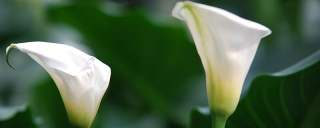
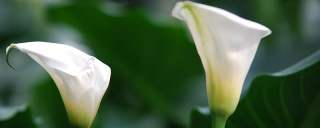
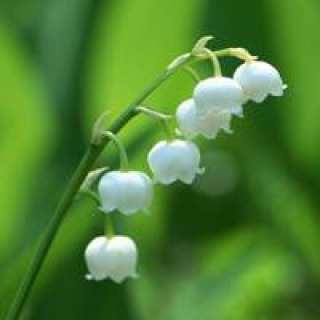
From a botanical perspective, the common name "Calla Lily" is a misnomer. True lilies belong to the genus Lilium in the family Liliaceae. The plant we call a Calla Lily is scientifically known as Zantedeschia aethiopica and is a member of the Araceae family, the same family as peace lilies and philodendrons. This distinction is crucial for understanding its growth habits. The defining feature of perennials is that their root systems (rhizomes, bulbs, tubers, etc.) survive underground through dormant periods and regrow for multiple seasons. Zantedeschia aethiopica grows from a rhizome, a type of modified underground stem that stores energy. This rhizomatic structure confirms that Calla Lilies are indeed true herbaceous perennials. They complete their annual cycle of growth, flowering, and die-back, but the rhizome persists to send up new shoots when conditions become favorable again.
Whether a Calla Lily behaves as a perennial in your garden depends entirely on the USDA Plant Hardiness Zone or your local climate. The plant's perennial nature is activated by a period of dormancy, which is typically triggered by cooler temperatures and shorter day lengths. In USDA zones 8 through 10, where winters are mild, Calla Lilies are reliably perennial. In these regions, the foliage may remain evergreen or die back partially. The rhizomes can safely overwinter in the ground, as the soil temperature does not drop low enough to kill them. They will reliably re-emerge each spring. In colder climates (zones 7 and below), winter soil temperatures will freeze and kill the rhizomes. In these areas, Calla Lilies are treated as tender perennials or annuals. To preserve them, gardeners must dig up the rhizomes in the fall after the foliage has yellowed and died back, store them in a cool, dry place over winter, and replant them after the danger of frost has passed in the spring.
For Calla Lilies to thrive as perennials, specific environmental conditions must be met beyond just temperature. Light is a primary factor; they perform best in full sun to partial shade. In hotter climates, afternoon shade is beneficial to prevent scorching. Soil conditions are equally important. These plants prefer rich, moist, well-draining soil. While they are often associated with boggy areas and can tolerate more moisture than many other plants, their rhizomes will rot if left in constantly waterlogged, poorly drained soil. Consistent moisture during the growing season is key to healthy foliage and flower production. As the plant enters its dormant phase in late fall, watering should be reduced significantly, especially for container-grown plants or in regions where they are overwintered indoors. This dry rest period is essential for the rhizome to conserve energy for the next growing cycle.
It is important to note a distinction between the classic white Calla Lily (Zantedeschia aethiopica) and the smaller, brightly colored hybrids (often derived from species like Z. rehmannii and Z. elliottiana). While both are rhizomatous perennials, the colored hybrids often have slightly different requirements. They generally prefer full sun and are even less tolerant of wet conditions during their dormancy. These hybrids are also typically more tender and may require lifting for winter storage in zones 8 and below, whereas the white species can often survive in the ground in zone 8 with a protective mulch layer. Understanding this subtle difference ensures that each type is managed correctly to maximize its perennial potential in the landscape.