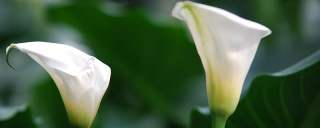
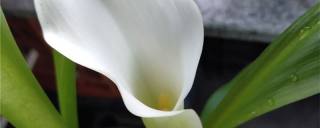
From our perspective as Calla Lilies (Zantedeschia spp.), thriving is our primary goal. To achieve the lush foliage and magnificent, sculptural blooms we are known for, we require a specific and well-timed nutritional plan. Providing the right fertilizer is not just about growth; it's about fulfilling our complete life cycle, from rhizome to flower and back again. Understanding our needs from our point of view will ensure we reward you with a spectacular display.
We are not heavy feeders like some annuals, but we are particular. Our needs change throughout our growing season. The three key numbers on a fertilizer bag—Nitrogen (N), Phosphorus (P), and Potassium (K)—represent the core of our diet. For most of our active growth, a balanced fertilizer, such as a 10-10-10 or 5-5-5, is an excellent foundation. However, nuance is key. Nitrogen supports the development of our strong, arrow-shaped leaves, which are the solar panels that power everything. Phosphorus is absolutely critical for the development of our complex flower structures and a strong root system. Potassium (Potash) ensures our overall vigor, disease resistance, and the efficient functioning of our internal processes. A slight boost in phosphorus as we approach our blooming period is greatly appreciated.
Timing is everything. Fertilizing at the wrong time can be wasteful at best and harmful at worst, leading to weak growth or root burn.
Stage 1: Emergence and Leaf Growth (Early Spring): As temperatures warm and our shoots emerge from the soil (or as you pot us up indoors), we need a gentle start. Begin fertilizing with a balanced, water-soluble fertilizer diluted to half-strength. This initial boost helps us establish our photosynthetic machinery without overwhelming our newly awakening roots. Continue this every 2-3 weeks as our leaves expand.
Stage 2: Flower Bud Formation and Bloom (Late Spring to Summer): This is our peak performance period. As flower stalks begin to push up, switch to a fertilizer with a higher middle number (phosphorus), such as a 5-10-5 formula. This encourages larger, more vibrant blooms and strengthens the flower stalk. Maintain this feeding schedule every 3-4 weeks throughout the blooming period.
Stage 3: Post-Bloom and Dormancy Preparation (Late Summer to Fall): After our flowers fade, our focus shifts from reproduction to storage. We begin sending energy back down to our rhizomes (our underground storage organs) to prepare for dormancy and next year's growth. At this stage, cease fertilizing with high-phosphorus formulas. A single, light application of a balanced or potassium-rich fertilizer can help strengthen the rhizome, but fertilizing too late can encourage tender new growth that will be damaged by frost.
The form of fertilizer matters for how easily we can access it. For container-grown calla lilies, water-soluble fertilizers are ideal. They provide immediate nutrients that our confined root systems can quickly absorb. Always water the soil thoroughly before applying liquid fertilizer to prevent root burn. For calla lilies planted in garden beds, a combination approach works well. At planting time, mix a slow-release, granular fertilizer into the soil. This provides a steady, gentle supply of nutrients. You can then supplement with water-soluble feedings during the crucial blooming period for an extra boost. Regardless of the type, always follow the package instructions carefully; more is not better. An excess of fertilizer, especially nitrogen, will lead to an abundance of floppy leaves at the expense of our prized flowers.