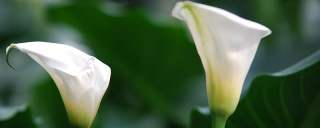
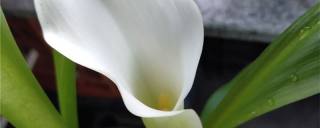
From a botanical perspective, the calla lily (Zantedeschia spp.) possesses a root structure that makes it an excellent candidate for container life. Unlike plants with deep, extensive taproots or aggressive, wide-spreading rhizomes, calla lilies grow from a modified stem called a rhizome. This rhizome is a compact, tuberous structure that stores energy and sends out roots and shoots from its nodes. In a pot, the confined space actually helps to control the plant's growth habit. The container's walls prevent the rhizome from spreading excessively, which can sometimes lead to overcrowding and reduced flowering in garden beds. The pot provides a defined boundary that encourages the plant to focus its energy on producing robust foliage and its characteristic elegant flower spathes rather than on vegetative expansion.
Calla lilies have a specific relationship with water that is more easily managed in a container. They thrive in consistently moist, well-draining soil, but are highly susceptible to root rot if left in waterlogged conditions. In an open garden, soil composition and drainage can be inconsistent, and heavy rains can create saturated pockets that harm the rhizomes. A pot allows for precise control over the growing medium. You can create an ideal substrate, such as a mix of potting soil, compost, and perlite or sand, that retains moisture while allowing excess water to drain freely from the bottom holes. This controlled environment mimics the calla lily's preferred habitat of moist, boggy areas without the risk of the anaerobic conditions that cause rot, a balance that is much harder to achieve in the ground.
The finite soil volume within a pot means that nutrients are depleted more quickly than in the ground, where roots can seek out resources over a wider area. For the calla lily, which is a moderately heavy feeder, this presents both a challenge and an opportunity. The plant requires a steady supply of nutrients, particularly phosphorus and potassium, to support its large, showy blooms. In a container, you can provide a targeted feeding regimen. A balanced, water-soluble fertilizer applied every few weeks during the active growing season ensures the plant has immediate access to the nutrients it needs without the competition from other plants or the dilution that occurs in garden soil. This controlled feeding supports strong flower production directly correlated with the plant's metabolic demands.
Calla lilies perform best with plenty of bright, indirect light. They can tolerate some direct morning sun but often suffer from scorching in intense afternoon heat. A significant botanical advantage of container gardening is mobility. A potted calla lily can be easily moved throughout the day or across seasons to optimize its light exposure. You can position it to catch the gentle morning sun and then relocate it to a spot with dappled shade in the afternoon, preventing leaf burn. Furthermore, as calla lilies are not frost-tolerant, growing them in pots allows gardeners in colder climates to protect the plant's rhizomes. When the foliage dies back in autumn, the entire pot can be moved to a cool, dark, frost-free location for dormancy, ensuring the plant's survival and regrowth the following spring.
Understanding the calla lily's natural life cycle is key to successful pot cultivation. After the flowering period, the plant continues to photosynthesize and store energy in the rhizome. Eventually, the leaves will yellow and die back, signaling the onset of a dormant period. In a container, managing this dormancy is straightforward. You can simply stop watering and allow the pot to dry out, storing the pot and dormant rhizome in a cool place. This controlled dry period is essential for the plant's health and its ability to initiate a new growth cycle. When ready to grow again, the pot provides a clean, contained environment for repotting if the rhizome has multiplied, or for refreshing the soil to provide a new season of nutrients.