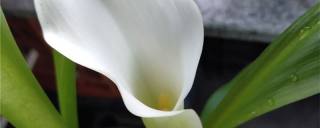
From my perspective as a calla lily plant, reblooming is not an automatic process. It is a cycle that requires specific conditions to be met. My life force is stored in a rhizome (often called a bulb) beneath the soil, and for that rhizome to gather enough energy to produce another spectacular bloom, it must go through a period of growth followed by a period of rest. Humans who understand this cycle are the ones who succeed in seeing me flower year after year. Here is a detailed account of what I need.
After you plant me, my primary goal is to grow and photosynthesize. This period is all about energy collection. The large, elegant flowers and the spear-shaped leaves are my solar panels. The more sunlight I can convert into energy, the more reserves I can store in my rhizome for the next season. Please place me in a spot with bright, indirect light. While I can tolerate some morning sun, harsh afternoon rays can scorch my leaves, reducing their efficiency. Keep the soil consistently moist but never waterlogged. I am thirsty during this time! Feed me with a balanced, water-soluble fertilizer every few weeks to ensure I have all the nutrients I need to build a strong, plump rhizome.
When my beautiful spathe (the flower) begins to fade, the instinct might be to deadhead it. This is good, as it prevents me from wasting energy on seed production. However, it is a grave mistake to cut back my foliage at this point. My leaves are still hard at work, absorbing sunlight and creating the starches that will be stored in the rhizome. This post-bloom phase is arguably the most important for ensuring reblooming. Continue to water and fertilize me as usual until the leaves naturally start to yellow and die back on their own. This process can take several months.
As the days grow shorter and temperatures drop, I receive the signal that it is time to rest. My leaves will yellow and wither. This is not a sign of death, but of dormancy. You must allow this to happen. Once the foliage has completely yellowed, you can gently cut it back to about an inch or two above the soil line. For gardeners in warm climates (zones 8-10), I can often remain in the ground if the soil is well-draining. In colder regions, I need to be dug up. Carefully lift my rhizome from the soil, brush off any loose dirt, and let me cure (dry out) in a warm, airy place for a few days.
After curing, store my rhizome in a cool, dark, and dry place for the winter, such as in a paper bag filled with peat moss or vermiculite. The ideal temperature is around 50-60°F (10-15°C). This period of cool, dry rest is vital for resetting my internal clock. After a rest of two to three months, you can check on me. When signs of new growth (little white nubs or eyes) appear, it is time to replant me in fresh, well-draining potting mix. Plant me with the eyes facing up, about 3-4 inches deep. Resume watering, place me in a warm, bright location, and the cycle begins anew. With this consistent cycle of growth, energy storage, dormancy, and revival, I will be compelled to reward your care with beautiful blooms season after season.