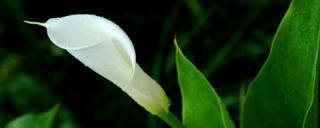
First, do not panic. A certain amount of yellowing is a normal part of my existence. As a Calla Lily (Zantedeschia), I have a growth cycle that includes a period of rest. If my leaves are turning yellow after I have finished flowering, particularly as the days grow shorter in late summer or fall, this is likely my natural dormancy beginning. I am conserving my energy, pulling resources back into my rhizome (my underground storage stem) to survive the winter and burst forth again next spring. In this case, the yellowing will start with the older, outer leaves and progress inwards. The solution is simple: reduce watering significantly and allow my foliage to die back naturally before trimming it away.
This is the most common cause of distress for me. My roots need oxygen as much as they need water. When I am consistently over-watered or left sitting in soggy, poorly-draining soil, my roots begin to suffocate and rot. This condition, called root rot, prevents them from absorbing water and essential nutrients. The first sign you will see is my leaves turning yellow, often starting from the bottom up. You might also notice my leaves becoming soft and limp. The solution is to let my soil dry out considerably between waterings. Ensure I am planted in a pot with excellent drainage holes and a chunky, well-aerated potting mix. If the rot is advanced, you may need to gently remove me from the pot, trim away any black, mushy roots, and repot me in fresh, dry soil.
Conversely, while I dislike wet feet, I am not a cactus. If I am allowed to become completely parched for extended periods, I will become stressed and unable to sustain my foliage. Under-watering causes my leaves to turn yellow, but they will typically also look dry, crispy, and may curl at the edges, unlike the soft yellowing of over-watering. The solution here is to establish a consistent watering routine. Water me thoroughly when the top inch or two of soil feels dry to the touch, allowing the excess water to flow freely from the drainage holes. I appreciate moisture, but not sogginess.
My vibrant green leaves are a testament to chlorophyll, which requires nutrients like nitrogen, iron, and magnesium to function. If I am growing in nutrient-poor soil or have been in the same pot for a long time without any supplemental food, I may develop deficiencies. A general lack of nitrogen causes an overall pale yellowing of my older leaves. A lack of iron (chlorosis) shows up as yellowing between the veins of my newer leaves, while magnesium deficiency causes yellowing between the veins on older leaves. The solution is a balanced, water-soluble fertilizer during my active growing season (spring and summer). Be careful not to over-fertilize, as this can also cause root damage and yellowing.
As a plant that enjoys bright light, I need the sun's energy to create my food. If I am kept in a location that is too dark, I will become "leggy" as I stretch towards the light, and my leaves may turn yellow from a lack of photosynthesis. On the other hand, if I am subjected to intense, direct, hot sunlight for hours on end—especially through a window—my leaves can get sunburned. This scorching often appears as yellow or brown, crispy patches on the leaves facing the light source. The solution is to place me in a spot with bright, but indirect, light. A north or east-facing window is often ideal, or a few feet back from a south or west-facing window.