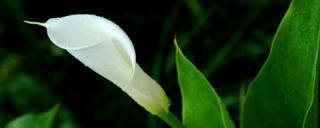
Calla Lilies, known scientifically as Zantedeschia aethiopica, are not true lilies from the plant family Liliaceae. They belong to the Araceae family, the same family as peace lilies and philodendrons. This botanical distinction is crucial because the toxic principles and their effects differ significantly from those of true lilies (e.g., Easter Lilies, Tiger Lilies), which are extremely dangerous to cats. The primary toxic compound in Calla Lilies is calcium oxalate. This substance exists in the plant as microscopic, needle-shaped crystals called raphides, which are bundles of crystals housed within specialized cells known as idioblasts.
From a plant's perspective, calcium oxalate crystals serve as a highly effective defense mechanism against herbivores. When an animal, such as a cat or dog, chews on any part of the Calla Lily plant—be it the leaves, stems, or flowers—the physical action ruptures the idioblast cells. This rupture acts like a spring-loaded syringe, forcibly ejecting the sharp raphides into the soft tissues of the animal's mouth, tongue, and throat. The crystals are insoluble, meaning they do not dissolve, and they immediately cause intense mechanical irritation and a painful burning sensation. This is the plant's primary strategy to deter consumption and prevent further damage.
While all parts of the Calla Lily contain these insoluble calcium oxalate crystals, the concentration can be highest in the sap and within the underground rhizomes. The rhizome, which is a modified plant stem that serves as a storage organ, is particularly well-protected by this chemical defense as it is vital for the plant's survival and regeneration. Therefore, even digging up and chewing on the roots can lead to a significant toxic exposure. It is important to note that the pollen or scent of the flowers is not a primary concern, unlike with true lilies where even pollen grooming can cause fatal kidney failure in cats. The danger with Calla Lilies is almost exclusively through ingestion or vigorous chewing.
The reaction to the calcium oxalate crystals is almost immediate. Pet owners may observe their cat or dog pawing at its mouth, drooling excessively, foaming at the mouth, and vocalizing due to pain. Swelling of the lips, tongue, and upper airway can also occur, which may lead to difficulty swallowing and, in severe cases, potential breathing difficulties. Vomiting may follow, but systemic (whole-body) organ failure is not a typical consequence of Calla Lily ingestion as it is with true lilies. The effects are primarily localized to the gastrointestinal tract, though the experience is intensely painful and distressing for the animal.
The most effective safety measure is prevention. Given the plant's natural defense system, the best course of action is to not keep Calla Lilies in a home with curious cats or dogs. If you wish to have them, they must be placed in an area completely inaccessible to your pets, such as a closed room or a high, secure hanging basket. If you suspect your pet has chewed on a Calla Lily, immediately rinse its mouth gently with water or offer a small amount of milk or yogurt to help soothe the tissue and wash away some of the crystals. It is essential to contact your veterinarian promptly for advice. They may recommend monitoring at home or an examination to manage pain and ensure airway patency, especially if significant swelling is present.