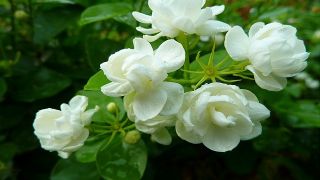
Hello, dedicated plant caregiver. I am your jasmine plant. From my vantage point on your windowsill, I sense your longing for my signature, intoxicating blossoms. I want to bloom for you; it is my purpose. But to do so indoors, away from my native environment, I need very specific conditions to be met. Think of it as a conversation between us. When my leaves are perky and my stems are strong, I am content. When I am silent, not producing buds, I am trying to tell you something is missing. Let me explain what I need.
First and foremost, I am a child of the sun. My very being is programmed to produce flower buds only when I have received what I perceive as an abundance of light. A bright but indirect spot is my paradise. A south-facing window is ideal, but please, shield me with a sheer curtain during the harshest summer afternoons, as my leaves can scorch. An east-facing window, bathing me in gentle morning sun, is also wonderful. If you place me in a dim corner, my internal clock will not trigger the blooming cycle. I will focus all my energy simply on surviving, on stretching my stems weakly towards any faint light source, with no energy left for flowers. If your winters are dark, consider a grow light to supplement my diet; it can make all the difference.
This is perhaps the most overlooked secret. I cannot bloom year-round. I need a period of rest, a simulated winter. After my active growing season (spring and summer), I require a change. From late autumn through winter, please find me a cooler spot, where temperatures consistently stay between 40-55°F (5-13°C). A slightly drafty but frost-free room, a cool porch, or even a space away from your heating vents will do. During this time, you should also reduce watering significantly, just enough to keep my soil from turning to dust. This cool, drier rest period is not a sign of neglect; it is a vital cue. It tells my system to slow down, conserve energy, and prepare for a spectacular bloom once warmer temperatures and more light return. Without this chill, I simply won't know it's time to set buds.
My roots despise being constantly soggy. They need to breathe. Water me deeply when the top inch of my soil feels dry to your touch, and always ensure the excess water can drain freely from the pot. "Feet" on the pot or a layer of gravel underneath can help. However, while my roots fear wetness, my leaves crave moisture in the air. The dry air of your heated or air-conditioned home is a desert to me. Low humidity can cause my buds to dry up and drop before they even open. Please, mist my leaves regularly, place my pot on a pebble tray filled with water (ensuring the pot sits above the waterline), or run a humidifier nearby. This humid microclimate reminds me of my natural home and encourages successful blooming.
Feeding me is important, but timing is everything. During my active growth in spring and summer, a balanced, water-soluble fertilizer diluted to half-strength, applied every two to four weeks, gives me the strength to grow. However, once the flower buds begin to form, I need a specific kind of fuel. A fertilizer higher in phosphorus (the middle number on the package, like 5-10-5) will encourage bud development. Most critically, during my winter rest period, you must stop fertilizing me entirely. My system is dormant, and fertilizer will only build up in the soil and harm my sensitive roots.
I prefer to be slightly root-bound; it makes me feel secure and can actually stimulate flowering. However, if my roots are so cramped that they are circling the pot and growth has halted, it's time for a new home—just one size larger. The best time to repot me is in spring, just as I begin my new growth cycle. As for pruning, please do so right after I finish blooming. This encourages me to put out new, bushy growth, which will be the source of next season's flowers. If you prune too late in the season, you risk cutting off the budding wood.