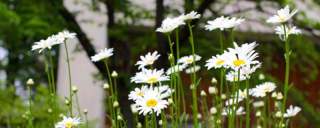
Gerbera daisies (*Gerbera jamesonii*) are prized for their large, brilliantly colored blooms that bring vibrant cheer to garden beds. However, to truly thrive, they benefit greatly from the presence of compatible companion plants. The ideal companions will support the gerbera's health by improving growing conditions, deterring pests, and creating a more visually harmonious and ecologically robust planting scheme.
Gerbera daisies can be susceptible to pests like aphids, thrips, and whiteflies. Strategic companion planting can create a natural defense system. Plants from the allium family, such as ornamental alliums, chives, and garlic, are excellent choices. Their strong scent acts as a natural repellent, confusing and deterring many common insect pests. Furthermore, French marigolds (*Tagetes patula*) are a classic companion plant for their ability to repel nematodes—microscopic pests that can damage roots—through a compound called alpha-terthienyl released from their roots. For soil health, low-growing clover can serve as a living mulch, helping to suppress weeds, retain soil moisture, and fix nitrogen in the soil, providing a gentle, slow-release nutrient boost for the gerberas.
The bold, solitary flowers of gerbera daisies stand out beautifully against plants with different forms and textures. Grasses are particularly effective for this. The fine, wispy texture of fountain grass (*Pennisetum alopecuroides*) or the upright habit of blue fescue (*Festuca glauca*) provides a soft, neutral backdrop that allows the gerbera blooms to take center stage. Similarly, the airy, cloud-like blooms of baby's breath (*Gypsophila paniculata*) create a delicate contrast to the solid, daisy-shaped flowers. For foliage interest, consider the silvery, fuzzy leaves of lamb's ear (*Stachys byzantina*), which complements the gerbera's deep green foliage and helps to highlight the intensity of its flower colors.
Choosing companions with complementary bloom times and colors ensures a long season of interest. Salvia varieties, with their spiky blue or purple flower stalks, provide a stunning color contrast to the warm reds, oranges, pinks, and yellows of gerberas. This combination is not only visually striking but also highly attractive to pollinators like bees and butterflies. Lavender offers similar benefits with its soothing purple hues and fragrant foliage, which also helps deter pests. For a more harmonious, pastel-themed bed, pair softer pink or yellow gerberas with catmint (*Nepeta*), which produces a long-lasting display of soft lavender-blue flowers that spill gently over the edges of the bed.
Just as important as choosing the right companions is knowing which plants to avoid. Gerbera daisies require well-draining soil and are prone to crown rot if kept too wet. Therefore, avoid planting them with heavy feeders or water-loving plants that require constant moisture, such as impatiens or some hosta varieties. The differing watering needs would likely lead to stress for one or both plants. Additionally, while gerberas enjoy full sun to partial shade, they should not be overshadowed by large, aggressive shrubs or trees that would compete for light, water, and nutrients, ultimately stunting their growth and reducing blooms.