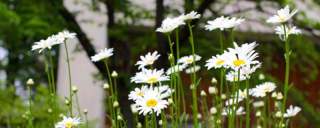
From a botanical perspective, the Gerbera daisy (Gerbera jamesonii) is a tender perennial herbaceous plant native to South Africa, Madagascar, and tropical Asia. Its natural habitat provides critical clues to its potential as a houseplant. Gerberas thrive in regions with bright light, moderate temperatures, and well-draining soil. They are not frost-tolerant and have a strong preference for consistent moisture without being waterlogged. When we bring a plant indoors, we are essentially attempting to replicate its ideal outdoor conditions within a controlled environment. The primary challenge lies in meeting its high light requirements and managing its susceptibility to certain pests and diseases that can be exacerbated by indoor conditions.
Light is the most significant factor determining the success of growing Gerbera daisies indoors. As a flowering plant, Gerberas have a high photosynthetic demand to produce the energy required for their large, vibrant blooms. They require a minimum of 6-8 hours of bright, direct light per day. A south-facing windowsill is often the best location. An east or west-facing window may be sufficient, but flowering may be reduced. Without adequate light, the plant will become leggy as it stretches towards the light source, its foliage may pale, and most importantly, it will cease to produce flower buds. For the plant, insufficient light means it cannot photosynthesize enough sugars to support the energetically expensive process of reproduction (flowering). In darker homes, supplementing with a full-spectrum grow light for 12-14 hours a day is often necessary to satisfy the plant's physiological needs.
The root system of the Gerbera daisy is particularly sensitive to soil conditions. In the wild, they grow in soil that is rich yet exceptionally well-draining. From the plant's viewpoint, soggy, compacted soil is a death sentence, leading to root rot caused by oxygen-deprived roots succumbing to fungal pathogens. A potting mix specifically formulated for African violets or a blend of peat, perlite, and vermiculite is ideal. This provides the aeration and drainage the roots require. Watering must be done carefully. The plant prefers consistently moist soil, but not wet. Water thoroughly when the top inch of soil feels dry, allowing excess water to drain away completely. Watering should be directed at the soil, not the crown of the plant, as moisture sitting in the crown can lead to crown rot, a common fatal disease for Gerberas.
Gerbera daisies perform best in daytime temperatures between 65-75°F (18-24°C) and cooler nights, which mimics their native climate. They can tolerate slightly higher temperatures if humidity is adequate. Indoor air, especially during winter, can be very dry, which stresses the plant and makes it more susceptible to pests like spider mites. To a Gerbera, low humidity increases transpirational water loss, potentially leading to wilted leaves and bud drop. Increasing humidity through a pebble tray or a nearby humidifier is beneficial. Regarding nutrition, Gerberas are moderate feeders. A balanced, water-soluble fertilizer applied every two weeks during the active growing season (spring and summer) supports healthy leaf growth and flower production. However, over-fertilization, particularly with high-nitrogen formulas, will encourage foliage at the expense of flowers, diverting the plant's energy away from its reproductive goal.
After a Gerbera daisy finishes blooming, it enters a vegetative growth phase. From the plant's perspective, this is a time to replenish its energy reserves. Regularly deadheading spent flowers is crucial. This prevents the plant from diverting energy into seed production and encourages it to initiate new flower buds. Indoor Gerberas are often treated as temporary floral displays, but with proper care, they can be perennial. Common challenges include powdery mildew and gray mold (Botrytis), which thrive in stagnant, humid air. Ensuring good air circulation around the plant is a key preventive measure. Pest infestations, particularly from aphids and whiteflies, should be addressed promptly with insecticidal soap or neem oil to prevent them from sapping the plant's vitality.