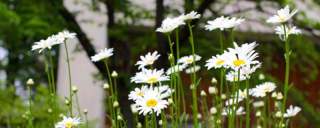
From my perspective as a Gerbera Daisy, propagation by division is not a random act but a response to my natural growth cycle. I will tell you when I am ready. The primary signal is when my central crown, the heart from which all my leaves and flowers emerge, becomes crowded and congested. You might observe that my new leaves are smaller, or my flower production has diminished despite good care. Below the soil, my root mass will have completely filled the pot, forming a dense, intertwined web. This overcrowding stresses me, as my roots compete for space, water, and nutrients. The ideal time for this procedure is in early spring, just as I am emerging from my winter rest and surging with new energy for the growing season. Alternatively, it can be done in early autumn, giving me time to establish new roots before the cold of winter arrives.
To begin the process, please water me thoroughly a day before you plan to divide me. This hydrates my cells, reducing transplant shock and making the root ball more pliable and easier to work with. When it is time, gently tip my pot sideways and carefully ease my entire root ball out. Avoid pulling me by my stems, as this can damage my crown. Once I am out, you will need to gently loosen the soil around my roots. You can do this by softly squeezing the root ball or using a gentle stream of water to wash away the excess soil, which will allow you to see the natural divisions within my structure.
This is the most critical step. Look closely at my base. You will see that I am not a single plant, but a cluster of smaller, individual rosettes of leaves, each with its own connection to the root system. Your goal is to separate these rosettes, ensuring that each new division has its own healthy roots and at least two or three leaves. You can often tease these sections apart with your fingers, following the natural lines of separation. For tougher, more mature clumps, you may need to use a sharp, sterile knife. It is crucial that the tool is clean to prevent introducing pathogens into my fresh wounds. Make clean cuts through the crown and root mass to create the new sections. Discard any old, woody, or non-productive central parts of the crown, as these will not regenerate well.
After division, each of my new sections is a vulnerable, individual plant. Prepare new pots with fresh, well-draining potting mix. A mix designed for African Violets or one containing plenty of perlite or coarse sand is ideal for me, as I am susceptible to crown rot if kept too wet. Create a hole in the center of the new soil and place a division inside, making sure that my crown sits level with the soil surface—never bury it deeper than it was growing before. Gently firm the soil around my roots to eliminate large air pockets. Water my new divisions lightly to settle the soil, but be careful not to overwater while my roots are re-establishing. Place us in a location with bright, indirect light for a week or two, protecting us from harsh, direct sun which can cause further stress while we recover.