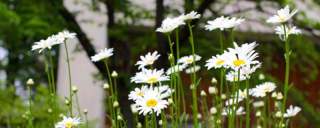
From a botanical perspective, Gerbera daisies (Gerbera jamesonii) are technically tender herbaceous perennials. This classification is key to understanding their behavior. A true perennial plant is one that lives for more than two years, with its vegetative structures (roots, crowns) surviving dormant periods to regrow. Gerbera daisies possess this inherent biological capacity. However, their perennial nature is not unconditional; it is entirely dependent on environmental factors, primarily temperature. In their native habitat of South Africa, they thrive as evergreen perennials. When grown outside of this specific climatic context, their life cycle is dictated by the local conditions, which can effectively force them to behave as annuals—completing their life cycle in a single growing season—in many parts of the world.
The primary physiological trait that determines whether a Gerbera daisy acts as a perennial or an annual is its extreme sensitivity to cold. Gerberas are not frost-tolerant. Their cellular structure cannot withstand freezing temperatures. When exposed to frost, the water within their cells freezes, forming ice crystals that rupture cell membranes, leading to irreversible damage and death of the above-ground foliage and, critically, the crown and root system. This is the fundamental reason they perish in winter in colder climates. Even without a hard freeze, consistently cool soil temperatures (below 40°F or 4°C) can cause root rot and crown rot, which are often fatal. Therefore, the plant's perennial potential is directly linked to its ability to survive the winter months without experiencing these lethal conditions.
In regions that fall within USDA Plant Hardiness Zones 8 through 11, Gerbera daisies can reliably be grown as perennial plants. In these zones, winter temperatures typically remain above 10-20°F (-12 to -7°C), avoiding the hard freezes that kill the plant. In Zones 10-11, they may remain evergreen and bloom nearly year-round. In the cooler end of their perennial range (Zone 8, and especially Zone 9a where brief dips to 20°F are possible), the foliage may die back after a frost. However, if the crown (the central growing point at the soil line) is protected by a thick layer of mulch, the plant can often regenerate new growth from its roots when warmer temperatures return in spring. In these optimal zones, the plant will focus its energy on establishing a strong root system, allowing it to return and bloom for several years.
In USDA Zones 7 and colder, Gerbera daisies are almost universally treated as annuals. The winter temperatures in these zones are consistently too low for the plant's survival. Even with heavy mulching, the prolonged cold and frozen ground will kill the root system. From a horticultural standpoint, planting them in the spring allows them to complete their entire life cycle in one season: they will grow vegetatively, produce a prolific display of flowers throughout the summer and into the fall, and then be killed by the first hard frost. Gardeners in these climates enjoy their vibrant color for a single season. It is also common practice to grow Gerberas in containers in cold climates, allowing them to be brought indoors to a sunny location before the first frost, effectively converting them into houseplants to preserve their perennial nature.
Beyond simple winter hardiness zones, other climatic factors influence the long-term health of Gerbera daisies as perennials. They require excellent soil drainage year-round, as sitting in cold, wet soil during winter dormancy is a primary cause of death even in marginally hardy zones. They perform best in full sun to partial shade and prefer consistent moisture during the growing season. In very hot summer climates (like the low-desert areas of Zone 9 or 10), providing afternoon shade can prevent heat stress and extend the blooming period. Therefore, successfully growing Gerbera daisies as perennials involves not just surviving the winter, but also managing soil conditions, water, and sun exposure to ensure the plant remains vigorous from one year to the next.