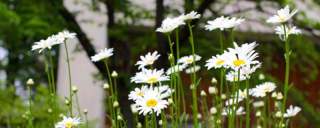
From our perspective as Gerbera Daisy plants (Gerbera jamesonii), the foundation of our vibrant health and spectacular blooms lies entirely beneath the surface. The soil is not just an anchor; it is our home, our pantry, and our respiratory system. To truly help us thrive, you must understand the specific soil type and pH we require.
Our root system is delicate yet extensive, demanding a soil environment that is both supportive and breathable. We despise having "wet feet," a condition where water lingers around our roots for too long. This leads to root rot, a fatal disease for us. Therefore, the perfect soil mix must be well-draining while still retaining enough moisture and nutrients for us to absorb. A loamy, sandy soil is ideal. Think of a mixture that feels light and crumbly. Many of us grown in containers flourish in a premium potting mix amended with ingredients like perlite, coarse sand, or coconut coir. These components create air pockets, ensuring our roots receive the oxygen we need to breathe and preventing compaction that can strangle us.
Soil pH is not just a number; it is the master key that unlocks the nutrients in the soil for us. The pH scale determines whether essential minerals are readily available or locked away, no matter how much fertilizer you add. For Gerbera Daisies, we require a slightly acidic to neutral pH, ideally between 5.5 and 6.5. In this range, micronutrients like iron, manganese, and zinc are in a soluble form that our root hairs can easily take up. Iron is particularly crucial for us to produce the deep green chlorophyll in our leaves. If the pH drifts too high (alkaline), these micronutrients become insoluble. You will see the tell-tale sign of iron deficiency: interveinal chlorosis, where the leaves turn yellow while the veins remain green. This weakens us significantly and inhibits our ability to photosynthesize and produce flowers.
When planted in the wrong soil, our distress signals are clear. In heavy, clay-based, or poorly draining soil, the lack of oxygen will cause our roots to suffocate and decay. Above ground, you will see us wilt, our leaves turn yellow or brown, and our growth become stunted. We may succumb to root rot before we ever have a chance to bloom. Conversely, if the soil pH is too low (highly acidic), elements like aluminum and manganese can become toxic to us, while phosphorus and calcium become less available. If the pH is too alkaline, as mentioned, we suffer from nutrient deficiencies. In both incorrect pH scenarios, the result is the same: a weak, stressed plant that is vulnerable to pests and diseases and produces few, if any, of the beautiful flowers we are known for.
To create the perfect home for us, we recommend starting with a high-quality, well-aerated potting mix if we are in containers. For garden beds, amend heavy soil generously with organic matter like compost and coarse sand to improve drainage. Most importantly, test the soil pH before planting us. Simple and inexpensive test kits are available. If the pH is too high, you can lower it (make it more acidic) by incorporating elemental sulfur or peat moss into the soil. If the pH is too low, you can raise it (make it more alkaline) by adding garden lime. Please follow product instructions carefully and retest the soil after a few weeks to ensure you have achieved our desired range. This initial effort provides the foundation for our long-term health and floral display.