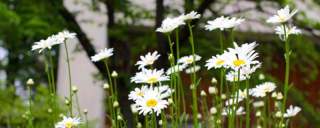
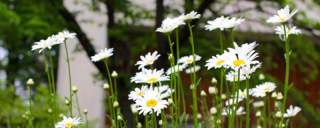
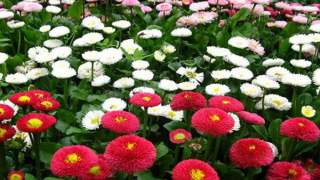
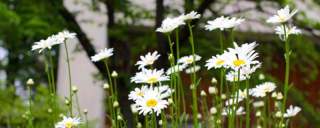
From our perspective as Bellis perennis, the proposal to live permanently indoors presents a significant challenge to our core biological programming. We are temperate perennials, evolved for life in open meadows and lawns. Our most critical need is for abundant, direct sunlight. To photosynthesize effectively and produce the energy for our cheerful blooms, we require a minimum of six hours of direct sun daily. A typical windowsill, especially one facing north or east, often provides only bright, indirect light, which is insufficient. Without intense light, we will become etiolated—stretching out with weak, pale stems and leaves in a desperate search for photons. Our flowering will cease entirely, as the energy cost of producing a bloom is too high under such dim conditions.
Furthermore, our life cycle is dictated by the seasons. We thrive in the cool temperatures of spring and autumn. The consistent, warm temperatures of a human dwelling (typically 18-24°C or 65-75°F) are stressful for us. This heat encourages weak, leggy growth and shortens the lifespan of our flowers. More importantly, we require a period of winter dormancy to survive as a perennial plant. This cold rest period is not optional; it is essential for our long-term health, allowing us to conserve energy and prepare for a robust resurgence in spring. An indoor environment denies us this crucial rest, leading to our eventual exhaustion and death after a single, often disappointing, season.
While a permanent indoor existence is not ideal, we can tolerate it for a short period under very specific, controlled conditions. If a human is determined to attempt this, they must replicate our native outdoor environment as closely as possible. The single most important factor is light. We would need to be placed in the sunniest possible location, ideally an unobstructed south-facing window. Even this may not be enough. To truly meet our needs, supplemental lighting with full-spectrum grow lights would be necessary, positioned just a few inches above our foliage for 12-14 hours a day.
The second critical factor is temperature. We would fare best in a cool sunroom, an unheated porch, or a room where the temperature is consistently kept between 10-16°C (50-60°F), especially at night. This mimics our preferred spring/autumn conditions and helps prevent weak growth. Watering must be carefully managed; our soil should be kept consistently moist but never waterlogged. A well-draining potting mix is non-negotiable to prevent our roots from rotting. With this high level of meticulous care, we might persist and even flower for a few months indoors, but it is a constant struggle against an unnatural environment.
A more harmonious and sustainable way for humans to enjoy our company indoors is to treat our presence as a temporary, seasonal display. Many gardeners purchase potted English Daisies from nurseries in early spring when we are in full bloom. They can then keep us indoors for a few weeks to brighten a room. During this time, the sunny windowsill and cooler spring temperatures align well enough with our needs to keep us healthy.
However, for our long-term well-being, the best practice is to acclimate us to the outdoors after this brief indoor display. Once the danger of a hard frost has passed, we should be planted out into the garden or into outdoor containers. Here, under the open sky, with natural sunlight, rainfall, and seasonal temperature fluctuations, we can truly thrive. We will likely go dormant in the heat of summer, only to return with fresh vigor and another flush of blooms the following cool season. This cycle respects our nature and allows us to live a full and healthy life, while still providing a temporary burst of indoor cheer.