From my roots outward, the first and most critical sign of distress is the environment you have placed me in. The soil is perpetually wet, cold, and heavy. It feels like a dense, waterlogged blanket that refuses to dry out. A healthy home for me is one that is lightly moist and airy, allowing my delicate root hairs to breathe. When you overwater, the air pockets in the soil are flooded, cutting off my oxygen supply. This is not a refreshing drink; it is a slow suffocation. If you touch the surface of my soil and it feels consistently soggy or if water seeps out when you press gently, you are drowning my foundation.
My leaves are my pride, and they are often the first part of me to show distress. When my roots are suffocating in water, they begin to rot and die. A rotting root system cannot absorb water or nutrients effectively, creating a cruel paradox: I am sitting in water, yet my leaves are wilting from thirst. You will see my once firm, vibrant green leaves becoming soft, limp, and droopy. They may also start to turn yellow, particularly the older, lower leaves. This yellowing is a sign of chlorosis, which occurs because the damaged roots cannot uptake essential nutrients like nitrogen. Do not mistake my limp leaves for a cry for more water; they are a plea for you to stop.
As the root rot progresses upward, it attacks the very core of my being: the crown and leaf stems (petioles). The base of my stem, where I meet the soil, will become soft, mushy, and may turn brown or black. This is a severe condition called crown rot. You might notice that my central leaves are collapsing, becoming exceptionally soft, and detaching easily with a gentle tug. The petioles of individual leaves will also become water-soaked and mushy. At this stage, the damage is often extensive. If my crown is rotten, I may not be able to produce new growth, and my chances of survival diminish significantly.
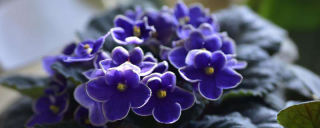
My ultimate goal is to reward your care with beautiful, delicate flowers. However, when I am fighting for my life against overwatering, flowering is the last thing on my mind. All my energy is diverted to survival, not reproduction. You will notice that I have stopped producing new flower buds entirely. My overall growth will become stunted. New leaves that emerge may be unusually small, pale, or deformed because the compromised root system cannot support healthy development. A happy African Violet will be constantly putting out new leaves and cycles of blooms; my silence and lack of growth are a clear sign that I am deeply unhappy.
The constantly damp soil and decaying plant tissue create a perfect breeding ground for fungi and pests. You might see a white, fuzzy mold growing on the surface of my soil—a sure sign of excessive moisture and poor air circulation. Furthermore, pests like fungus gnats are attracted to this wet, decaying environment. Their larvae thrive in the soggy soil, feeding on my already compromised roots. The appearance of these uninvited guests is a secondary but telling symptom that the conditions you have created are unhealthy and are contributing to my decline.