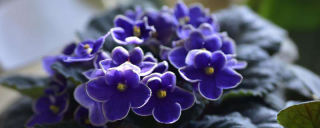
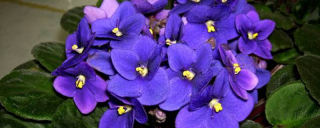
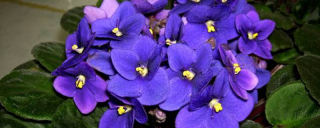
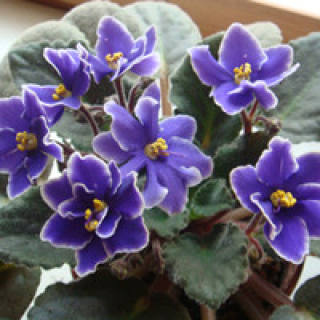
From my perspective as an African Violet, each flower I produce is the magnificent culmination of a significant energy investment. My goal is to reproduce, and these blooms are my method of attracting pollinators to create seeds. Once a flower has been pollinated, its purpose shifts from attraction to seed development, a process that consumes a massive amount of my stored energy. When you notice one of my individual blossoms starting to fade, wilt, or turn brown, it is a clear signal. If it has not been pollinated, it is simply dying. If it has been pollinated, it is beginning the energetically costly task of producing seeds. In either case, by leaving this spent bloom attached, you are forcing me to divert precious resources—water, nutrients, and energy—towards a part of me that is no longer contributing to a beautiful display. Deadheading is the act of interpreting this signal correctly. By gently removing the spent bloom, you are effectively telling me, "Your attempt at reproduction here was not successful. Please try again." This redirects my energy away from a lost cause and back into my core systems, primarily towards developing new flower buds at the crown of my leaves.
How you remove my spent blooms is crucial for my health and your success. My stems are tender and can be easily damaged, which can create an entry point for disease. The most common and safest method is to use your fingers. Please do not simply pull or yank on the wilted flower petals. Instead, locate the base of the flower stem, which connects to the main stalk or leaf axil. Gently pinch this thin stem between your thumb and forefinger and give a slight, sideways flick or a soft, direct pull. The goal is for the stem to snap cleanly at its natural abscission layer, the point where it is genetically programmed to detach. If it resists, do not force it. You can also use small, sharp, and sterilized scissors or snips. Sterilization with a bit of rubbing alcohol is important to prevent transferring any pathogens to my fresh wound. Make a clean, swift cut as close to the base of the flower stem as possible without cutting into the main stalk or the nearby leaves. Leaving a short, rotting stump can be just as problematic as not deadheading at all, as it can invite fungal growth.
While deadheading is a direct command for me to produce more blooms, it is only one part of the equation. For me to respond effectively, my basic needs must be consistently met. Think of deadheading as the "go" signal, but I need fuel to move. My energy for creating those beautiful, velvety flowers comes from three primary sources: light, nutrients, and proper hydration. I thrive in bright, but indirect, light. Direct sunlight can scorch my leaves, reducing their ability to photosynthesize and generate energy. A consistent feeding schedule with a fertilizer formulated specifically for African Violets provides the essential phosphorus that promotes blooming. Furthermore, how I am watered is critical. I prefer to be watered from the bottom, allowing my roots to draw up moisture as needed, keeping my delicate crown and leaves dry to prevent rot. A happy African Violet is one that is not stressed by drought, drowning, or hunger. When you combine the regular removal of my spent flowers with this stable, nurturing environment, you create the perfect conditions for me to channel all my vitality into a near-continuous display of blooms, making both of us very happy.