From my perspective as a Ranunculus seed, I am a tiny, dry, and seemingly lifeless speck. My outer coat is remarkably hard, a natural evolutionary adaptation to protect the precious genetic material inside from the elements and ensure I only germinate when conditions are truly favorable. This dormancy is my primary challenge for you. To break this dormancy, I require a period of cool, moist conditions that mimic the natural winter I would experience if I fell to the ground in my native Mediterranean habitat. This process, called cold stratification, is non-negotiable. Without it, my hard shell will not soften, and I will simply remain dormant in the soil, leaving you to wonder what went wrong.
Once you have provided the necessary pre-chilling period by refrigerating me for 10-14 days in a damp paper towel sealed in a plastic bag, I am ready to awaken. My core requirement for germination is a consistent, cool temperature of approximately 50-55°F (10-13°C). This is critical. If you place my pot on a warm seedling mat or in a hot room, I will likely refuse to sprout. I need darkness and coolness to trigger the biochemical processes that signal it's time to grow. Keep the seeding medium consistently moist but not waterlogged, as I am susceptible to rot. With patience, in two to three weeks, you should see my first tiny root (radicle) emerge and seek out nutrients and water.
As my first true leaves develop, my needs begin to shift. I still appreciate cooler temperatures but now have an immense craving for light. I must be placed under strong, direct grow lights or in your sunniest window immediately. Without a minimum of 6 hours of very bright light, I will become leggy, weak, and unable to support future growth. This is also the stage where my unique root system begins to form. Below the soil, I am not developing a simple taproot; I am creating a cluster of small, tuberous roots that resemble little claws. These structures will store energy for my flowering display and for surviving dormancy later.
I am a cool-season plant at heart, but I am still tender and have been coddled indoors. To transition to the garden bed, I must be gradually acclimatized to the harsher outdoor world through a process called "hardening off." This involves placing me outside in a sheltered, partially shaded spot for a few hours each day, gradually increasing the time and exposure to direct sun and wind over 7-10 days. This slow introduction thickens my cuticle (leaf surface), reduces transplant shock, and prevents my foliage from getting scorched. I cannot go directly from your stable indoor environment to the full force of the elements.
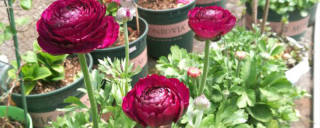
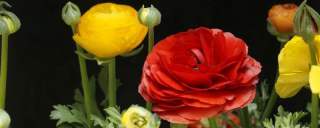
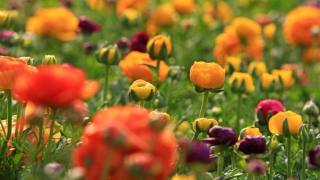
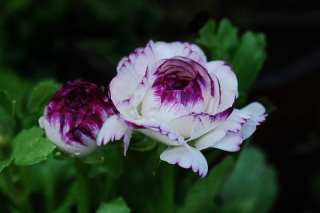
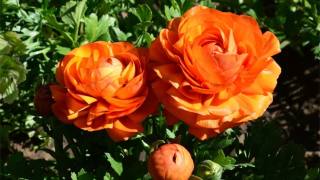
If you have provided for my needs—the chill, the cool germination, the intense light, and the careful hardening off—I will reward you spectacularly. Once planted in a sunny spot with well-draining soil, my focus turns to photosynthesis, gathering energy to fuel my magnificent blooms. Each flower I produce is a complex masterpiece of tightly layered petals, designed to attract pollinators. The energy stored in my claw-like tubers fuels this incredible display. After I finish flowering and the foliage yellows and dies back, I will enter a dormant period, retreating into my tubers to rest until the next cool cycle begins again.