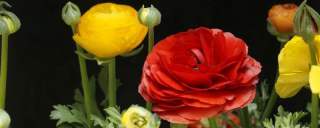
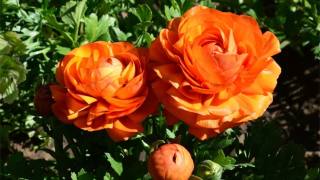
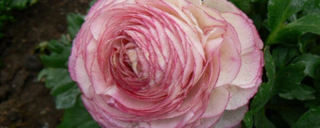
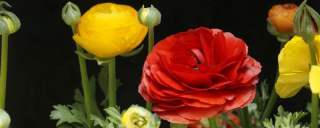
From our perspective, our root system is the most critical factor in determining your watering schedule. We are not thirsty giants; we are particular about our moisture levels. We develop tuberous roots that act as small storage organs. These roots are adept at absorbing water but are extremely susceptible to rot in consistently soggy, oxygen-deprived soil. Therefore, the goal is not to keep us constantly wet, but to provide a cycle of moisture followed by a period where the top layer of soil can dry slightly. This cycle encourages healthy root growth and prevents the fungal diseases that can quickly prove fatal to us.
You should not water us on a rigid calendar schedule (e.g., every Tuesday). Instead, you must learn to read the soil's condition. The most reliable method is the finger test. Insert your finger about one inch into the soil near our base. If the soil at that depth feels dry, it is time to water us thoroughly. If it still feels cool and moist, please wait and check again in a day or two. When you do water, do so deeply and slowly until you see water begin to drain freely from the holes in the bottom of the pot. This ensures the entire root ball is hydrated. Crucially, you must immediately empty the saucer underneath our pot. We absolutely cannot sit in standing water.
Our water consumption is directly influenced by our environment, which can change frequently indoors. During our active growth and bloom period, we are using more water to support our flowers and foliage. Increased light levels, higher temperatures, and lower humidity will cause the soil to dry out more quickly, necessitating more frequent watering. Conversely, in cooler, low-light conditions, or during our dormant period after flowering, our metabolic processes slow down, and we will require much less water. Overwatering during this dormant phase is a common cause of our demise.
We will communicate our distress through our foliage and flowers. If we are suffering from too much water (overwatering), you will notice our leaves turning yellow, becoming soft, and potentially wilting—a paradox since wilting is also a sign of thirst. The soil will have a persistently wet smell, and our base may become mushy. If we are not receiving enough water (underwatering), our leaves and flower stems will become limp, dry, and crispy to the touch. The soil will pull away from the edges of the pot. While we are more tolerant of slight underwatering than overwatering, chronic thirst will cause our buds to drop and our blooms to fail.