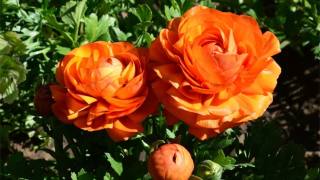
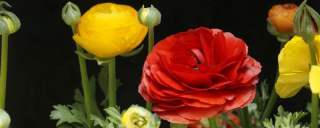
From our perspective as ranunculus plants, light is not merely a convenience; it is the very currency of our existence. It is the energy source that fuels every aspect of our growth, from the emergence of our feathery foliage to the spectacular unfurling of our papery, multi-petaled blooms. To truly thrive indoors under your care, we require a very specific quality and quantity of sunlight to replicate our ideal conditions.
Our foremost request is for bright, indirect light. We adore the sun's energy, but our delicate leaves and petals are highly susceptible to scorching. Direct, harsh sunlight, especially through a south-facing window in the peak of summer, acts like a magnifying glass, burning our tissues and causing unsightly brown, crispy patches. Instead, we thrive in the abundant, diffused light found in an east-facing window. Here, we can bask in the long hours of gentle morning sun, which provides the perfect intensity for photosynthesis without the damaging heat of the afternoon. A west-facing window can also be suitable if filtered by a sheer curtain, which softens the intense late-day rays into the dappled light we find so agreeable.
We are photoperiodic plants, meaning the length of our daylight hours significantly influences our growth cycle. To fuel the immense energy required to produce our complex blooms, we need a long daily "sun bath." We ideally require a minimum of six hours of bright, indirect light each day, though we will not protest seven or eight. This extended photoperiod convinces us that we are in our prime growing season, encouraging robust leaf development and, most importantly, initiating the formation of our flower buds. Without this sustained daily light, our growth becomes leggy as we stretch pathetically towards any faint light source, our leaves may yellow, and our ability to flower is severely compromised or halted entirely.
Light direction is crucial for our symmetrical form. A single, static light source from one window will cause us to exhibit phototropism—growing lopsidedly towards that light. This results in a leaning, unbalanced plant with uneven foliage. To grow into the full, bushy, and upright specimens you admire, we require even light exposure. This can be achieved by regularly rotating our container—a quarter turn every three to four days is sufficient. This simple act ensures all sides of our foliage receive equal illumination, promoting uniform growth and preventing us from becoming strained and distorted.
During the darker winter months or in rooms with inherently low light, the natural sunlight available may fall short of our needs. In these circumstances, we gratefully accept supplemental lighting. Full-spectrum grow lights are an excellent substitute for the sun, providing a balanced spectrum of light that supports both vegetative growth and flowering. Position these lights approximately 12 to 18 inches above our foliage for 12-14 hours a day to supplement or replace diminished natural light, ensuring we continue to photosynthesize efficiently year-round.