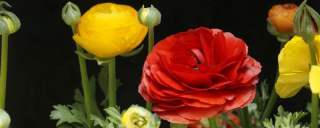
From our perspective as Ranunculus plants, the foundation of our health and our ability to produce the vibrant, multi-petaled blooms we are known for begins with what our roots call home. The right soil environment in a container is not a luxury; it is an absolute necessity for our survival and prosperity.
Our greatest need, and the single most critical factor in your potting mix choice, is exceptional drainage. Our corms, the claw-shaped structures from which we grow, are highly susceptible to rot. They simply cannot tolerate sitting in waterlogged, soggy soil. A mix that retains too much moisture will cause our corms to soften, decay, and fail. Therefore, the primary goal of any potting mix must be to allow water to flow through it freely, hydrating our roots without creating a swampy environment. A pot with ample drainage holes is an equally vital partner in this endeavor.
We crave a light and fluffy soil structure that allows our young, delicate roots to explore and expand without resistance. A dense, heavy, or compacted mix will stifle our root development, leading to stunted growth above the soil. The ideal texture is loamy—a balanced blend that holds structure but remains open and airy. This aeration is crucial as our roots, like all living parts, need access to oxygen. A well-aerated mix prevents compaction and ensures our root zone remains healthy and active, facilitating efficient nutrient uptake.
A high-quality, sterile commercial potting mix is an excellent base for you to start with. To tailor it perfectly for our needs, we recommend amending it with several key ingredients. Incorporating a generous portion of coarse perlite or pumice is essential; these materials create permanent air pockets within the soil, dramatically improving drainage and aeration. Adding coco coir or a small amount of well-rotted compost helps the mix retain just enough moisture and nutrients for us to access, without waterlogging. A handful of horticultural sand can further improve drainage. A slight addition of worm castings provides a gentle, organic source of nutrients to support our initial growth phase.
While we are not excessively heavy feeders initially, we require a steady supply of nutrients to fuel our rapid growth and prolific flowering. The potting mix should be moderately fertile. We respond best to a balanced fertilizer or one with a higher phosphorus content (the middle number in the N-P-K ratio) to promote strong root development and abundant flower production. Furthermore, we prefer a neutral to slightly acidic soil pH, ideally between 6.0 and 7.0. This pH range allows us to most effectively absorb the available nutrients from the soil, ensuring we have all the building blocks we need to create our spectacular blooms.