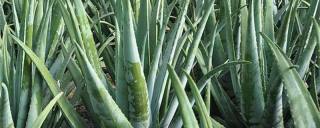
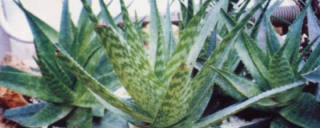
From a physiological perspective, the primary cause of soft, mushy leaves is almost always excessive water within the plant's tissues. Our roots are designed to absorb water from the soil, but this process requires a balance. When the soil remains saturated for prolonged periods, the roots are forced to continue taking in water. This over-hydration causes the individual cells in our leaves to swell beyond their capacity. The cell walls, which provide structure and rigidity, stretch to their limit and eventually rupture. This cellular collapse transforms the firm, gelatinous parenchyma tissue inside our leaves into a soft, disorganized mush. It is a catastrophic failure of our internal structure due to a simple imbalance of water pressure.
Our roots require oxygen from the air spaces in the soil to perform respiration, the process that generates energy for growth and function. When you water us too frequently or plant us in a pot without proper drainage, water fills these crucial air pockets. This creates an anaerobic (oxygen-deprived) environment around our root system. Without oxygen, the roots cannot produce energy or function properly. They begin to suffocate, decay, and die in a condition you call root rot. Once the root system is compromised, it can no longer absorb water and nutrients effectively, even if the soil is wet. The damage to the roots then manifests in the leaves, which lose their turgor pressure and become soft and weak as the connection to their water source is literally rotting away.
As a species adapted to warm climates, our cellular processes are optimized for higher temperatures. Exposure to cold temperatures, especially frost or freezing conditions, causes the water within our cells to freeze. The formation of ice crystals is physically destructive, piercing and shredding the delicate cell membranes and organelles from the inside out. Even without freezing, chilly conditions (often combined with damp soil) drastically slow down our metabolism. Water absorption and transpiration rates fall, meaning moisture taken up by the roots isn't moving through the plant as it should. This stagnation exacerbates the problem of waterlogged tissues, leading to cold damage that presents as transparent, mushy spots on the leaves, typically starting at the base or tips where circulation is poorest.
It is important to understand that pathogens like fungi and bacteria are often a secondary consequence, not the primary cause. The initial stress—be it overwatering, cold damage, or physical injury—weakens our natural defenses and creates openings in our tissues. These soft, damaged areas are the perfect entry point for opportunistic soil-borne pathogens. Organisms such as *Pythium* or *Fusarium* quickly invade the compromised cells, accelerating the decay process. The mushiness you feel is then a combination of our own broken-down cellular contents and the expanding colony of microorganisms feasting on them. The rot will often appear darker in color and may spread rapidly through the plant's vascular system.