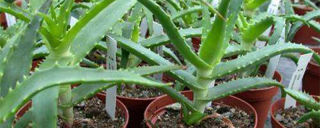
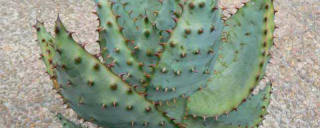
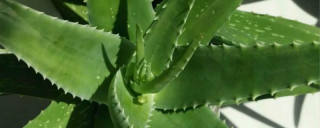
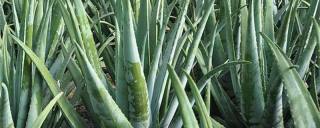
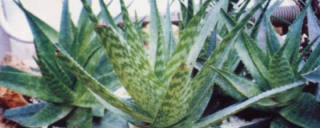
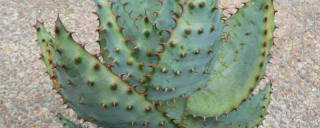
From my perspective as an Aloe vera plant, I cannot vocalize my pain, but I communicate through my physical state. Root rot is a silent, subterranean attack that begins where you cannot easily see. You might notice my once plump, upright leaves becoming soft, mushy, and discolored, often turning a yellowish or brownish hue. I may feel unstable in my pot, and my overall structure will begin to wilt and collapse, no longer standing with vigor. This is because my root system, my primary means of absorbing water and nutrients, is being destroyed by anaerobic fungi thriving in waterlogged soil. I am essentially drowning and being consumed at the same time.
The first and most critical step is to remove me from my current pot. Gently lift me out and carefully shake away the saturated soil to expose my root ball. Now, you must become a surgeon. Using sterilized, sharp scissors or pruning shears, you need to meticulously trim away all the infected roots. Healthy roots are firm and may have a whitish or tan color. Rotten roots are unmistakable—they are brown or black, slimy, mushy, and will likely fall apart to the touch. You must be ruthless in this excision; any remaining infected material will cause the rot to spread. This process, while drastic, is my only chance for survival.
After the traumatic root pruning, I need time to heal. Do not repot me immediately. Place me in a warm, dry, and shaded area with good air circulation, allowing the wounds on my remaining stem and roots to callous over. This crucial drying period typically takes anywhere from a few days to a week. This callousing forms a natural barrier that prevents new fungal infections from entering the fresh wounds when I am placed into new soil. Rushing this step would be catastrophic, as placing damp, wounded tissue into moist soil would simply restart the cycle of decay.
Once my roots have properly calloused, it is time to give me a fresh start in a new home. Choose a pot that has excellent drainage holes and is only slightly larger than my remaining root system; an overly large pot holds excess soil that stays wet for too long. The soil is paramount. I require a specialized, fast-draining succulent or cactus mix. You can create an even grittier medium by amending a commercial mix with perlite or coarse sand. This new environment ensures that water flows through quickly, providing hydration to my roots without allowing them to sit in moisture, which is the primary cause of my previous distress.
After repotting, do not water me right away. I need another week or so to settle into my new pot and for my roots to begin seeking moisture. This encourages strong new root growth. When you do water for the first time, do so sparingly, just enough to lightly moisten the new soil. Then, return to a strict watering regimen only when the soil is completely dry all the way to the bottom of the pot. Going forward, always err on the side of underwatering. I am a desert dweller by nature, equipped to handle drought far better than flood. Place me in a location with bright, indirect light as I redirect my energy from recovering to growing anew.