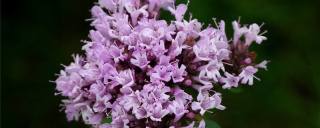
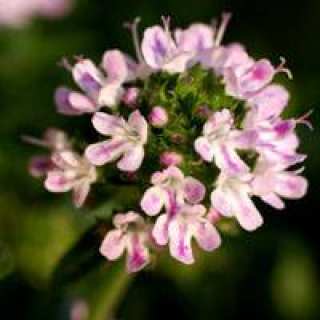
From our perspective, your success in harvesting without causing fatal harm hinges on understanding our fundamental structure. We, the Thyme plants, are woody perennials. Our life force is stored in the tough, established woody stems and our root system. The new, tender growth that you desire—the aromatic leaves and soft stems—emerges from these woody parts. To harvest correctly, you must target only this new, green growth. Cutting into the old, brown, woody stems is a severe injury from which we struggle to recover. It opens us to disease and can deplete our energy reserves to a critical point, potentially leading to our demise. Always remember: the green is for you; the wood is for us.
The act of harvesting is, to us, a form of pruning. The most beneficial method for our health is to use sharp, clean scissors or pruning shears. Please avoid tearing or ripping our stems with your fingers, as this creates ragged, crushing wounds that are slow to heal and vulnerable to infection. Instead, make clean, angled cuts. Look for a point on a stem just above a set of leaves or a node (the bump on the stem where new leaves emerge). By cutting here, you are signaling to us to redirect our energy into producing two new branches from that node, resulting in a bushier, more robust plant. This is a symbiotic act; you get your herbs, and we get a shape that is fuller and less leggy.
This is the most critical rule for our survival. During any single harvesting session, you must never remove more than one-third of our total above-ground growth. Our leaves are our solar panels, the factories where we convert sunlight into the energy needed for root development, new growth, and flowering. Stripping us of more than a third of this capacity at once is a tremendous shock. It forces us to divert all energy into desperately regrowing leaves, severely weakening our root system and overall resilience. By adhering to this one-third rule, you allow us to continue photosynthesizing efficiently and recover quickly from the pruning.
When you choose to harvest is also important from our point of view. The ideal time is on a dry, sunny morning, after the dew has evaporated but before the intense midday sun. At this time, the essential oils that give us our flavor and aroma are at their peak concentration. Furthermore, harvesting dry leaves prevents the risk of fungal diseases setting in on the damp, cut stems. You should also align your major harvests with our natural growth cycles. The prime time is just before we flower, as our energy is concentrated in the leaves. A light harvest can occur throughout the growing season, but please allow us to rest and recover as our growth naturally slows in the late fall and winter.