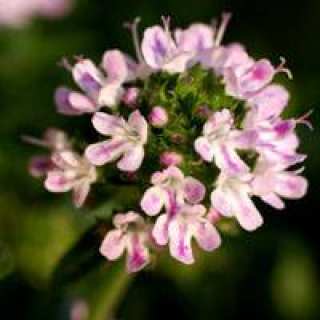
From a botanical perspective, *Thymus vulgaris*, common thyme, is a perennial woody herb native to the Mediterranean region. Its natural habitat consists of sunny, well-drained, rocky slopes with relatively poor, alkaline soil. This evolutionary background is the key to understanding its indoor cultivation needs. Yes, thyme can be grown indoors year-round, but its success is entirely contingent on replicating these specific environmental conditions as closely as possible. The plant is inherently adapted to high light levels, excellent drainage, and a pronounced dry period between waterings. An indoor environment that fails to meet these core requirements will lead to a weak, leggy, and ultimately unsuccessful plant.
Light is the single most important factor for successfully growing thyme indoors. As a sun-loving plant, it requires a significant amount of bright, direct light to perform adequate photosynthesis and maintain its compact, bushy growth habit. A minimum of six to eight hours of direct sunlight daily from a south-facing window is ideal. In most indoor settings, especially during winter months, natural light alone is often insufficient. The plant will respond by becoming etiolated—stretching weakly toward the light source with sparse, pale foliage. To grow thyme robustly year-round, supplementing with a full-spectrum grow light for 12-14 hours a day is highly recommended. This artificial sunlight provides the necessary photosynthetic active radiation (PAR) the plant craves to thrive, not just survive.
Thyme's physiology is designed for drought tolerance. Its small, numerous leaves have a low surface area to volume ratio, and its roots are susceptible to rot in consistently moist conditions. Therefore, the soil medium must be extremely well-draining. A standard potting mix is inadequate; it must be amended with generous amounts of inorganic material like perlite, coarse sand, or grit. A ratio of 2 parts potting soil to 1 part amendment is a good starting point. The pot must have ample drainage holes. Watering should be done only when the soil is completely dry to the touch several centimeters down. The plant prefers a thorough soaking followed by a period of complete drought, mimicking the infrequent but heavy rains of its native climate. Overwatering quickly leads to root hypoxia (oxygen deprivation) and fungal diseases, which are fatal.
Thyme prefers conditions that mirror the Mediterranean: warm days, cooler nights, and low to moderate humidity. Average indoor temperatures are generally suitable. However, it is crucial to provide good air circulation around the plant, which strengthens its stems and helps prevent fungal pathogens like powdery mildew, a common issue in stagnant, humid air. A small oscillating fan in the room can significantly improve growing conditions. While it enjoys warmth, avoid placing the plant directly next to a heat source like a radiator, as the intense, dry air can desiccate the foliage excessively.
Adapted to poor soils, thyme has relatively low nutritional demands. Over-fertilizing will force rapid, soft growth that is weak, less aromatic, and more susceptible to pests and disease. A light application of a diluted, balanced organic fertilizer once at the beginning of the spring growing season is typically sufficient. The plant may enter a semi-dormant state with reduced growth during the lower-light winter months; during this time, watering should be reduced further and all fertilization should be halted until growth resumes with increased light in spring.