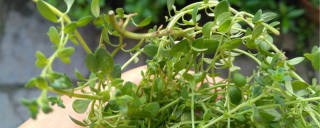
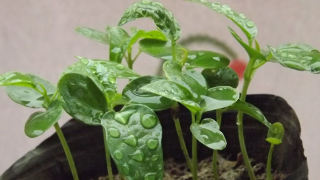
As a thyme plant, my needs are specific and rooted in my Mediterranean origins. I thrive on neglect rather than overindulgence. The key to my success in a container, where my root system is confined and entirely dependent on your care, is not a rich feast of nutrients but a lean, well-balanced, and precise diet. The best fertilizer for me is one that supports steady, healthy growth without sacrificing the potent essential oils that give me my signature aroma and flavor.
From my perspective, I am not a heavy feeder like tomatoes or leafy greens. My primary need is for a fertilizer with a balanced or slightly higher phosphorus (the middle number in the N-P-K ratio) content. A formula like a 5-10-5 or a balanced 10-10-10 is perfectly adequate. The nitrogen (N) should be low to moderate to prevent excessive, weak leafy growth at the expense of flavor. Phosphorus (P) is crucial for me as it promotes strong root development—vital in a container—and supports overall plant health and resilience. Potassium (K) aids in disease resistance and water regulation, which is important in the well-draining environment I require.
Before you even think about fertilizer, my container's soil is paramount. I demand an exceptionally well-draining potting mix. A standard potting soil amended with plenty of coarse sand, perlite, or small gravel is ideal. This mix prevents my roots from sitting in water, which is a death sentence for me (root rot). This well-draining nature also means nutrients can be flushed out quickly with watering, which is why a gentle, slow-release fertilizer is my preferred method of feeding.
For me, a slow-release fertilizer is superior to a quick-release liquid feed. A single application of a granular, organic, slow-release fertilizer mixed into the top layer of soil at the beginning of the growing season provides a consistent, low-level nutrient supply. This mimics the lean, gradual nutrient availability of my native rocky hillsides. It prevents the shock of a strong nutrient surge, which can cause rapid but weak growth and dilute my essential oils, making me less flavorful. Organic options like a light handful of well-composted manure or a balanced organic blend are excellent choices as they feed both me and the beneficial soil life.
My feeding schedule is minimal. I should be fertilized only once, perhaps twice, during the entire active growing season (spring and early summer). A light feeding at the start of spring as I break dormancy is most beneficial. If a second application is needed, it should be done lightly in early summer. Fertilizing me in late summer or fall encourages tender new growth that will be vulnerable to cold damage. The mantra for feeding thyme is always "less is more." Over-fertilization is a far greater threat to my health than under-fertilization.