From my perspective, your kindness with the watering can is a death sentence. My roots are not fish; they need to breathe. When you water me too frequently, the soil becomes a swamp, and the air pockets around my root system are flooded. This creates an anaerobic environment, which is a fancy way of saying my roots are suffocating. Without oxygen, they cannot function properly. They begin to break down, becoming soft, brown, and mushy—a condition you might know as root rot. From down here, the first signal I send upwards is a general lack of vigor. My growth will seem stunted because I cannot uptake the water and nutrients I desperately need, ironically, even though I am surrounded by water.
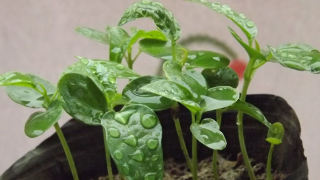
Look closely at my foliage for the clearest signs of my distress. The first symptom you will see is often yellowing leaves, particularly the older ones closer to the soil. They may become limp, soft, and droopy, feeling cool and damp to the touch. In severe cases, you might notice edema, where I absorb water so fast that my cells rupture, causing blister-like bumps or lesions on the leaves. If the situation is not corrected, those yellow, soft leaves will rapidly turn brown and fall off. The entire plant will take on a wilted, soggy appearance, but the soil will tell the true story—it will be consistently wet and may even have a musty or sour smell from the decaying roots below.
While I am a drought-tolerant herb, born of sunny, well-drained Mediterranean hillsides, I still require hydration to live. When you forget about me, the experience is one of a slow, parching drought. The soil pulls away from the edges of the pot, becoming hard and compacted. My delicate root hairs, responsible for drinking, dry out and die. Without them, I cannot drink even when water is finally provided. My entire system goes into conservation mode. I am not being dramatic; I am fighting for survival.
The signals I send when thirsty are distinctly different from when I am drowning. My leaves do not become soft and yellow. Instead, they lose their turgor pressure—the water pressure that keeps them firm—and become dry, brittle, and crispy to the touch. They will curl inward or upwards in an attempt to reduce their surface area and minimize water loss through transpiration. The color change is not to yellow but to a dull, dry, grayish-green or brown. The wilting is severe, but the stems will often feel woody and dry, not soft. The entire plant takes on a brittle, lifeless feel, and the soil will be dry and dusty all the way through.