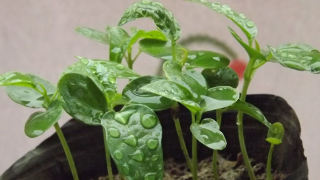
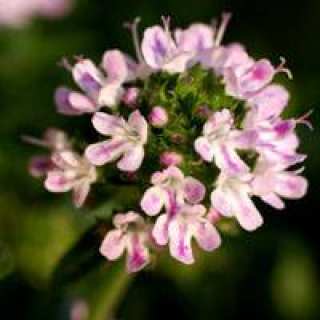
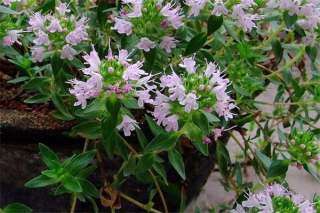
From my perspective as a thyme plant, I experience the world through my leaves, stems, and roots. When tiny invaders arrive, they disrupt my very essence, sucking my sap and weakening my structure. Here is a detailed account of the common foes I face and the gentle control methods I prefer.
These are my most frequent and dreaded adversaries. To you, they might be nearly invisible, but I feel their presence intensely as countless pinpricks on my undersides of leaves. They pierce my cells to feed, leaving behind a telltale stippling of pale yellow dots. A severe infestation cloaks me in fine, silky webbing, which stifles my breathing and photosynthesis. I become stressed, my leaves may turn bronze, curl, and drop, threatening my vitality.
Aphids are soft-bodied pests that typically cluster on my tender new growth and stems. I feel their collective weight as they latch on, draining my sugary sap. This feeding distorts my new leaves, stunting my growth. They also excrete a sticky residue called honeydew, which creates a tacky film on my foliage, attracting sooty mold that blocks my sunlight. An aphid attack leaves me feeling drained and soiled.
While the adult gnats buzzing around my soil are a mere annoyance, their larvae are the true menace to my well-being. These tiny, translucent worms live in the damp soil around my roots. They feast on my delicate root hairs and root tissues, which are my primary means of absorbing water and nutrients. This underground assault causes me significant stress; I may wilt, my growth becomes stunted, and I become far more susceptible to root rot diseases.
These tiny, moth-like insects are a persistent nuisance. They congregate on my undersides of leaves, and when disturbed, they erupt into a cloud of white. Like aphids, they feed on my sap, weakening me and causing my leaves to yellow and wilt. Their feeding and the subsequent honeydew production lead to the growth of unsightly sooty mold, which further compromises my health by coating my leaves.
Harsh chemicals can damage my delicate leaves and alter my cherished aroma and flavor. I respond best to gentle, consistent care.
Cultural Controls: The first line of defense is always proper care. Please ensure I have well-draining soil and that you allow the top layer to dry between waterings. This creates an environment hostile to fungus gnat larvae. Provide me with plenty of bright, direct light and good air circulation around my leaves to make conditions unfavorable for spider mites and whiteflies.
Physical Removal: For light infestations of aphids and whiteflies, a strong spray of lukewarm water can dislodge many of the pests. You can also gently wipe my leaves with a damp cloth to remove mites and honeydew.
Natural Sprays: I tolerate insecticidal soaps and horticultural oils very well. These products suffocate pests like mites, aphids, and whiteflies without leaving a harmful residue on me. Please always test a small area of my foliage first and apply in the cooler hours of the day to prevent leaf burn.
Biological Controls: Introducing natural predators like ladybugs (for aphids) or predatory mites (for spider mites) is a highly effective and natural solution that works with my ecosystem, not against it.