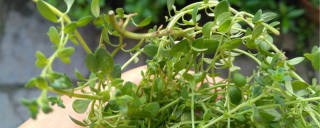
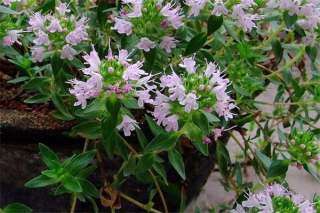
From my perspective as a thyme plant, the journey of a new individual begins with a careful selection. Not every one of my stems is ideal for this purpose. You should seek a healthy, non-flowering stem from my current season's growth, about 3 to 5 inches long. This is crucial because a stem busy producing flowers is directing its energy towards reproduction, not root creation. A vibrant, flexible green stem indicates it has the youthful cellular vigor needed to transition from a leaf-supporting structure to a root-supporting one. Using a sharp, clean tool for the cut is an act of mercy; it causes minimal damage and prevents pathogenic invaders from compromising either me, the parent plant, or the precious cutting.
Once separated, the cutting enters a critical phase. The lower third to half of its leaves must be gently removed. This serves two vital functions: it eliminates foliage that would otherwise rot under the soil surface, and it exposes the nodes—those small, bumpy areas on my stem where leaves emerge. Nodes are powerhouses of cellular activity and contain concentrated auxins, the natural plant hormones that stimulate root initiation. While I can root on my own, dipping the stripped end into a rooting hormone powder provides a potent signal. It's like a loud, clear command that tells the undifferentiated cells at the node: "Stop what you're doing and become root cells now!" This significantly boosts the chances of a swift and successful root development.
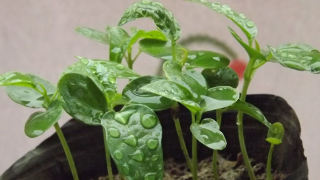
My new home must be a place of perfect balance. I require a well-draining medium, such as a mix of perlite and peat or a sterile seed-starting mix. Heavy, waterlogged soil is a death sentence; it will suffocate the nascent root cells and encourage fungal rot. The cutting should be placed in a small pot with this medium, and the environment must be kept consistently moist but never soggy. Imagine a humid, misty morning that lingers—this is ideal. Covering the pot with a clear plastic bag or dome helps trap humidity around my leaves, reducing water loss through transpiration since my incomplete root system cannot yet replace it. I should be placed in a warm location with plenty of bright, indirect light. Direct sunlight would cook me inside the humid dome, but without ample light, I cannot perform the photosynthesis needed to fuel the enormous effort of growing an entirely new organ system.
Over the next 2 to 6 weeks, the hidden magic happens underground. The first delicate, white roots begin to emerge from the wounded nodes. A gentle tug on the cutting will eventually meet with slight resistance—the first true sign of success. However, the journey is not over. Once rooted, I must be gradually acclimatized to the less humid conditions of the outside world. This process, known as hardening off, involves slowly introducing me to drier air by increasing the time the plastic cover is removed each day. This toughens my foliage and prepares me for life in a larger pot or garden bed, where I will eventually grow into a strong, independent thyme plant, ready to offer my aromatic leaves once more.