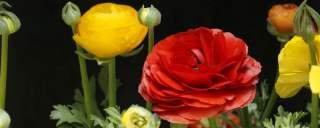
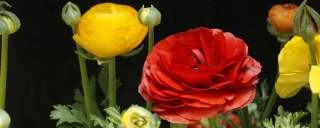
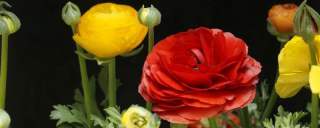
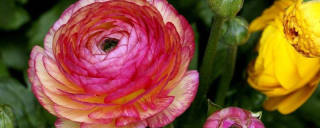
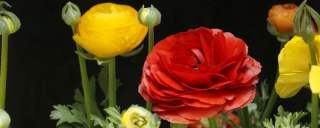
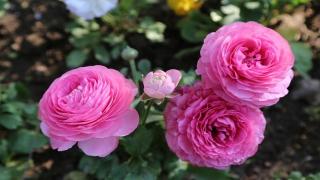
Before combining Ranunculus with other plants, it is crucial to understand its own requirements from a botanical perspective. Ranunculus, particularly the popular *Ranunculus asiaticus*, are cool-season perennials often grown as annuals. They thrive in conditions of full sun to partial shade, requiring at least 6 hours of direct sunlight daily for optimal flowering. Their root systems are tuberous and somewhat delicate, preferring consistently moist but exceptionally well-draining soil. They are highly susceptible to rot in waterlogged conditions. From a nutrient perspective, they are moderate feeders, benefiting from regular fertilization during their active growth and bloom period in spring.
The key to a successful container combination is pairing plants with identical or very similar cultural needs. Ideal companions for Ranunculus must share its preference for full sun, excellent drainage, and consistent moisture without sogginess. Suitable partners include other cool-season bloomers like Pansies (*Viola × wittrockiana*) and Violas, which offer a color contrast and share the same watering regime. Trailing Lobelia (*Lobelia erinus*) provides a beautiful spillover element with its delicate blue or white flowers, complementing the Ranunculus's upright, rose-like blooms. For foliage contrast, consider the silvery leaves of Dusty Miller (*Jacobaea maritima*), which is equally drought-tolerant and helps highlight the vibrant Ranunculus flowers.
It is equally important to recognize plants that would be poor companions. Species that require completely dry soil between waterings, such as most Succulents (e.g., Sedum, Echeveria) or Lavender, will quickly develop root rot if subjected to the consistent moisture Ranunculus needs. Conversely, heavy feeders or plants that require constantly wet soil will either outcompete the Ranunculus for nutrients or create an environment far too moist for its tubers to survive. Plants with aggressive, spreading root systems should also be avoided, as they will overcrowd and stress the Ranunculus tubers within the confined space of a container.
From a design standpoint, consider the plant's form, texture, and color. Ranunculus serves as an excellent "thriller" plant—the focal point of the container due to its tall, sturdy stems and large, intricate blooms. Pair it with "filler" plants like Dianthus or Alyssum, which mound nicely around its base, hiding its lower stems and creating a lush, full appearance. Finally, incorporate "spiller" plants such as the previously mentioned Lobelia or Creeping Jenny (*Lysimachia nummularia*), which will cascade gracefully over the edge of the pot, softening its lines and adding vertical interest. This combination creates a balanced, visually appealing container that caters to the physiological needs of all plants involved.