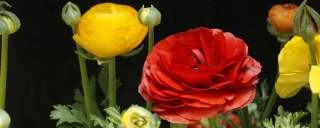
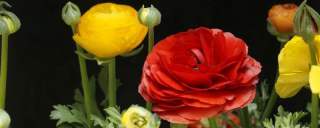
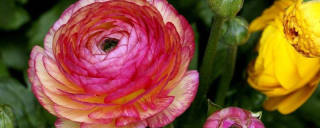
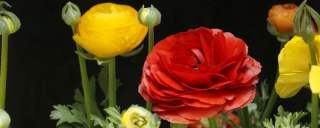
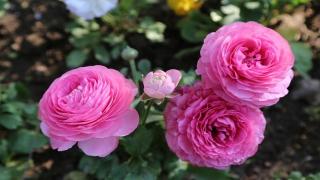
From a botanical perspective, the Ranunculus (Ranunculus asiaticus) is not a true perennial in the traditional houseplant sense. It is a tender perennial, more accurately classified as a geophyte. This means it survives unfavorable conditions, notably the dry summer heat of its native Mediterranean climate, as an underground storage organ—specifically, a corm. Its natural cycle involves a period of vigorous growth and spectacular flowering in the cool, moist spring, followed by a complete die-back of its foliage and a long summer dormancy. This inherent need for a dormant period is the primary challenge to keeping it as a perennial indoors.
To attempt to keep your Ranunculus from year to year, you must replicate its preferred environmental conditions as closely as possible. After the spectacular spring bloom concludes, the plant's focus shifts from reproduction to energy storage. You must continue to provide bright, indirect light and gradually reduce watering as the foliage begins to yellow and wither. This process allows the plant to photosynthesize and send energy back down to the corm, replenishing it for the next growing season. Forcing the plant to remain green with constant water disrupts this vital cycle and will eventually exhaust the corm.
Once the foliage has completely yellowed and died back, the plant has entered its dormancy. At this point, watering must cease entirely. The pot should be moved to a cool, dark, and dry location for a minimum of 8-12 weeks. An unheated garage, basement, or a cool closet are suitable options. The goal is to simulate the hot, dry summer of its native habitat. Disturbing the corms during this time is detrimental; they must be left undisturbed in their dry soil to properly undergo dormancy. Without fulfilling this mandatory rest period, the corm will not have the energy to initiate new growth.
The average home environment presents significant obstacles to successfully perennializing Ranunculus. The consistent warmth and light found indoors work against the plant's need for a distinct cool growth period followed by a warm, dry dormancy. It is exceptionally difficult to provide the high light levels it craves during growth without also overheating the plant. Furthermore, the dry air of most homes, especially in winter, can encourage pest infestations like spider mites, which can quickly weaken the plant. Often, the energy expended to produce one season of immense flowers is so great that the corm is substantially depleted, making subsequent years' blooms less spectacular even under ideal conditions.
Given its specific needs, the most reliable and satisfying method is to treat indoor Ranunculus as an annual forceable bloom, similar to tulips or hyacinths. You can purchase new corms each fall, chill them for a few weeks (to simulate winter), plant them, and enjoy their breathtaking display. However, if you wish to attempt keeping them, follow the dormancy protocol meticulously. After the rest period, reintroduce the pot to light and water to break dormancy. If successful, you will see new growth emerge. Repotting in fresh, well-draining soil at this stage can provide a boost of nutrients for the new growth cycle.