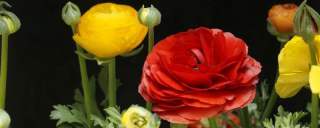
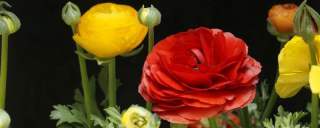
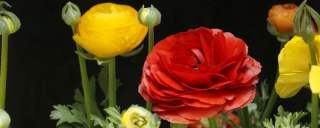
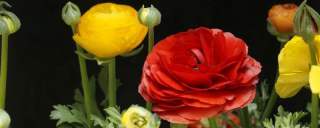
From our perspective as Ranunculus plants, thriving in the confines of a pot is entirely possible with the right nutritional support. Our growth cycle is distinct, and our fertilizer needs change dramatically as we progress from dormant corms to blooming beauties. Here is the schedule we prefer for optimal health and spectacular flowers.
When you first receive us as dry, claw-like corms, we are dormant and cannot uptake any nutrients. Planting us in a pot with well-draining, fresh potting mix is sufficient. This medium already contains a mild starter charge of nutrients, which is all we need to initiate root growth. Fertilizing at this stage would only overwhelm our delicate new roots with salts, potentially burning them and hindering our establishment. Please, just give us water and warmth.
Once our green shoots emerge and begin to develop true leaves, our energy demands shift. We are now in a vigorous vegetative growth phase, building the leafy framework that will support our future flowers. At this point, we require a fertilizer rich in Nitrogen (N), the primary element responsible for healthy, green foliage. A balanced, water-soluble fertilizer with a slightly higher first number (e.g., 10-5-5 or 15-10-10) is ideal. Please feed us at half the recommended strength every two weeks. This consistent, gentle feeding allows us to grow strong and lush without the risk of fertilizer burn.
As you notice our flower buds beginning to form and swell, our nutritional priorities change completely. Now, our greatest need is for Phosphorus (P) and Potassium (K). Phosphorus is crucial for energy transfer and robust bud development, while Potassium strengthens our overall system, improves flower quality, and builds disease resistance. You should switch to a fertilizer with a higher middle and last number, such as a 5-10-10 or a specialized "bloom booster" formula. Continue applying this every two weeks at half-strength. This specific diet directly fuels the spectacular floral display you are waiting for.
After our magnificent blooms have faded, you can help us prepare for our next cycle. Once flowering is complete, cease all fertilizing. We need to naturally redirect our remaining energy back into our corms for storage, not into producing new foliage. Allow our leaves to photosynthesize and yellow naturally. Applying fertilizer now would disrupt this vital process and could lead to soft, poorly stored corms that may not survive dormancy. When our foliage has completely died back, you can stop watering and store our pots, allowing us to rest.