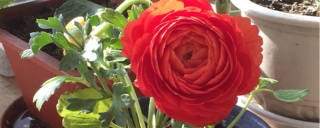
For the Ranunculus plant, temperature is a primary regulator of its metabolic processes and growth cycle. The ideal temperature range is between 10°C and 18°C (50°F - 65°F). During its active growth and flowering phase, maintaining temperatures within this cool to moderate range is crucial. Temperatures consistently above 20°C (68°F) can induce heat stress, accelerating the plant's life cycle and leading to premature flowering, shortened bloom time, and potential bud abortion. Conversely, while the plant is cool-weather tolerant, prolonged exposure to temperatures below 5°C (41°F) can significantly slow growth and damage tender foliage and developing flower buds. A slight drop in nighttime temperature, by about 2-3 degrees, is beneficial as it mimics the plant's natural environment and helps prolong the vibrancy of its intricate, rose-like blossoms.
Humidity, representing the amount of moisture in the air, directly impacts the Ranunculus's transpiration rate—the process of water movement through the plant and its evaporation from aerial parts. The optimal relative humidity level for a potted Ranunculus is between 40% and 50%. Air that is too dry (below 40%) forces the plant to close its stomata to conserve water, which also restricts the intake of carbon dioxide needed for photosynthesis. This can result in stressed, wilted foliage, crispy leaf edges, and dropped buds. On the other hand, an environment with humidity consistently above 60% creates a haven for fungal pathogens like powdery mildew and botrytis (gray mold), which can quickly colonize the dense foliage and delicate petals, leading to rot and plant decline.
The relationship between temperature and humidity is synergistic; warm air can hold more moisture than cold air. Therefore, managing them in tandem is key. In a typical home environment, heating systems often create a combination of high temperature and low humidity, which is particularly challenging for Ranunculus. To increase humidity, grouping plants together, using a pebble tray filled with water placed beneath the pot, or employing a small room humidifier are effective strategies. Ensuring good air circulation with a gentle fan is equally important, as it helps to balance humidity levels around the foliage, preventing stagnant, moist air pockets that encourage disease without subjecting the plant to desiccating drafts.
The plant's water needs are intrinsically linked to the ambient temperature and humidity. In warmer, drier conditions, the plant will transpire more rapidly, and the soil will dry out faster, requiring more frequent watering. In cooler, more humid conditions, evaporation and transpiration slow, meaning the soil will retain moisture for longer and the plant will require less water. It is imperative to water thoroughly when the top inch of soil feels dry to the touch, allowing excess water to drain freely. This practice ensures the tuberous roots receive adequate hydration while avoiding waterlogged soil, which, especially in cool, humid conditions, can quickly lead to root rot and the death of the plant.