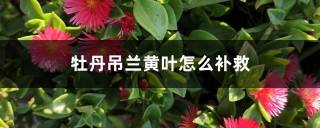
As an indoor Ranunculus, I thrive in cool, bright conditions, but my lush foliage and tender blooms can unfortunately become a target for several common pests. These invaders disrupt my ability to photosynthesize and absorb nutrients, weakening me significantly if left untreated. Here is a detailed account of the adversaries I often face and the preferred treatments from my perspective.
These tiny, soft-bodied insects, often green or black, cluster on my succulent new growth, flower buds, and the undersides of my leaves. They pierce my tissues and suck out my vital sap, which causes my leaves to curl, yellow, and become distorted. Worse, they excrete a sticky substance called honeydew, which attracts sooty mold and further inhibits my sunlight absorption. To treat them, a strong spray of lukewarm water can dislodge them. For persistent problems, insecticidal soap or neem oil, applied thoroughly every 7-10 days, is highly effective and gentle on my system.
Spider mites are minuscule pests that are hard to see until their damage is advanced. They prefer hot, dry conditions—the very environment I dislike. They feed on my individual plant cells, leaving behind a tell-tale stippling of yellow or white dots on my leaves. Severe infestations lead to bronzing, leaf drop, and fine, silken webbing. Increasing humidity around me with a pebble tray or humidifier is a great deterrent. To eliminate them, rinse my foliage regularly and apply miticides or neem oil, ensuring to coat the leaf undersides where they reside.
While the adult gnats flying around my base are merely annoying, their larvae in the soil are the real problem. These tiny white worms feed on my delicate root hairs and organic matter in the potting mix, compromising my ability to take up water and nutrients. This results in stunted growth and wilting. The key to control is managing soil moisture. Allowing the top layer of my soil to dry out between waterings disrupts their life cycle. Yellow sticky traps catch adults, and a soil drench with Bacillus thuringiensis israelensis (Bti) will target the larvae without harming me.
These small, white, moth-like insects swarm from my leaves when disturbed. Like aphids, they are sap-feeders, causing yellowing, wilting, and stunting. They also produce copious amounts of honeydew. They can be particularly challenging due to their rapid reproduction. Treatment involves using yellow sticky traps to monitor and reduce adult populations. Consistent applications of insecticidal soap or horticultural oil are necessary to contact and kill the nymphs and adults, requiring thorough coverage on all leaf surfaces.