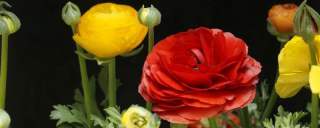
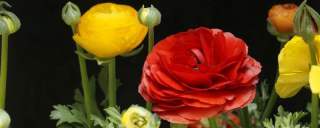
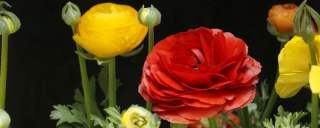
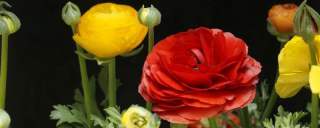
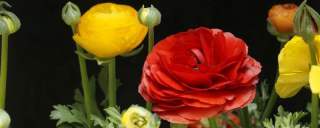
As a plant, my primary purpose is to convert sunlight into energy through photosynthesis. This energy fuels all my processes, including the production of my magnificent blooms. If I am planted in a location that receives less than six hours of direct, unfiltered sunlight per day, my energy reserves become limited. In such a scenario, my survival instinct takes over. I must prioritize my resources for essential leaf and root growth to ensure I can simply live and photosynthesize another day. Producing a large, complex flower requires a tremendous amount of energy. With limited solar income, I simply cannot afford to create the grand, showy blossoms you expect. I will instead produce smaller flowers, a more sustainable output for my constrained energy budget.
While I can create energy from the sun, I rely entirely on my surroundings—the soil—for the raw building blocks of my physical form. Key among these are phosphorus and potassium. Phosphorus is crucial for energy transfer and root development, which in turn supports bloom size, while potassium aids in overall plant vigor and flower formation. If I am growing in soil that is depleted, unbalanced, or lacks these specific nutrients, I am architect trying to build a palace without enough bricks. I may attempt to flower, but the blooms will be smaller and less impressive because I literally do not have the foundational elements needed to construct them to their full genetic potential. A lack of essential micronutrients can also hinder the complex metabolic processes required for large bloom development.
My root system is my lifeline; it is how I absorb water and nutrients. If I am planted too close to other plants, including other ranunculus, we are forced into competition. Our root systems become crowded, and we all struggle to access enough moisture and food. This underground struggle creates significant stress for me. When I am stressed, my focus shifts from luxurious reproduction (large flowers) to basic survival. Furthermore, if my corms were planted too shallowly, they are susceptible to temperature fluctuations and drying out, which weakens my entire structure. Conversely, if they were planted too deeply, the energy stored within them is exhausted simply to reach the sunlight, leaving little reserve for flowering. Both scenarios result in a stressed plant that can only manage smaller blooms.
It is also important to consider my inherent nature. Some varieties within my species are simply genetically predisposed to produce smaller, though often more numerous, flowers. Furthermore, my flowering is a reproductive act that is heavily influenced by environmental cues, particularly temperature. If the weather becomes unseasonably hot very early in my growth cycle, it can shock my system. I may interpret a sustained heatwave as a signal that my growing season is shorter than expected. In response, I might rush the flowering process to ensure I produce seeds before conditions become unfavorable. This accelerated development often comes at the expense of bloom size, as I sacrifice grandeur for the speed necessary to complete my reproductive mission.