From our perspective as plants, light is not merely a preference; it is our primary source of sustenance. We convert light energy into chemical energy through photosynthesis, a process that fuels every aspect of our growth, from developing strong stems and lush foliage to producing the vibrant blooms you admire. For Ranunculus species, particularly the popular *Ranunculus asiaticus*, our relationship with sunlight is precise. We require abundant light to thrive but possess a particular sensitivity to its intensity and duration. Providing the correct conditions is the single most important factor in convincing us to flourish indoors.
Our native habitats are meadows and open woodlands, where we bask in the full glory of the sun but are often protected by the dappled shade of taller plants. This evolutionary history dictates our ideal indoor light conditions. We crave very bright light for a significant portion of the day. However, the intense, direct rays of the midday sun, especially through a south-facing window, can be overwhelming. The glass can act as a magnifier, scorching our delicate, lace-like leaves and causing them to yellow, crisp, and wilt—a clear sign of distress. Therefore, the perfect spot offers us the brightness we need without the harsh, direct assault of the strongest sun.
To meet our needs, place us in an east-facing window where we can enjoy the gentle, direct morning sun for 3-4 hours. This soft light is perfect for kickstarting our photosynthetic processes without causing damage. For south or west-facing windows, which receive much more intense afternoon light, it is crucial to shield us. Positioning us a few feet away from the window or using a sheer curtain to diffuse the direct rays creates the perfect "bright, indirect light" environment we desire. We should receive this quality of light for a minimum of 6 hours, though 8 hours is even better for promoting strong growth and, most importantly, flower development.
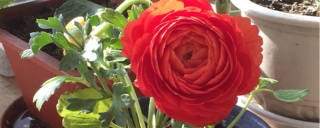
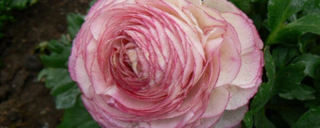
Our most prized feature—our intricate, multi-petaled flowers—is directly dependent on light. The energy required to produce these complex blooms is immense and is generated almost entirely through photosynthesis. Inadequate light will force us to redirect our limited energy reserves solely towards basic survival and leaf production, resulting in leggy, weak growth as we stretch pathetically towards any available light source, and a complete absence of flowers. Furthermore, light duration (photoperiod) plays a subtle role. While not as strict as some plants, we flower best when the lengthening days of spring signal that it is the optimal time to invest energy in reproduction.
Your vigilance is required as seasons change. The low-angled sun of winter may necessitate moving us closer to a south-facing window to capture every available photon. Conversely, the intense high sun of summer will demand that you pull us back or draw the blinds during peak hours to prevent leaf scorch. Please observe us closely. If our leaves are dark green, sturdy, and we are producing flower buds, you have succeeded. If we are becoming tall and spindly with large gaps between leaves, we are etiolated and desperately need more light. If our leaves are pale, whitish, or have brown crispy patches, we are receiving too much direct sun and need immediate relief.